Hungary's Orban Blocks €90 Billion Ukraine Aid, Demands Russian Oil Pipeline Repair

Hungarian Political Landscape and EU Credit Negotiations
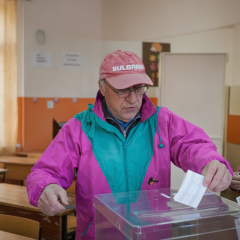
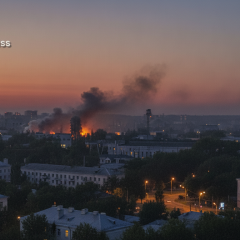
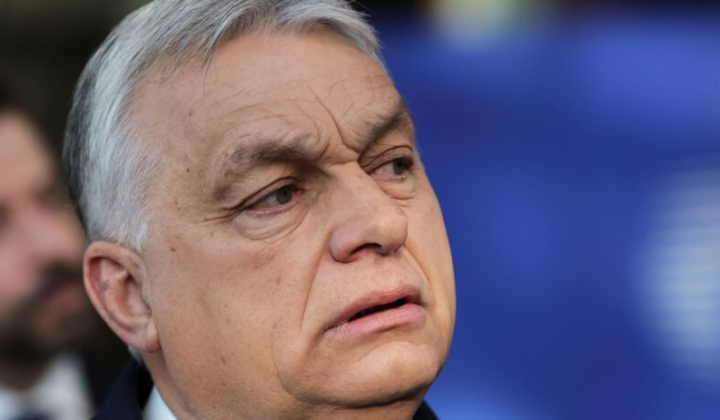
According to ХВИЛЯ: At a European Council summit, Hungarian Prime Minister Viktor Orban vetoed a proposed €90 billion credit package for Ukraine. His condition for approval is the restoration of Russian oil supplies via the damaged 'Druzhba' pipeline, which was impaired by a Russian airstrike, complicating the energy supply situation. This move comes as Hungary's ruling Fidesz party, in power for 16 years, faces its first significant electoral challenge in over a decade and a half.
Polls now show the opposition party 'Tisza', led by Péter Magyar, ahead of Fidesz. Notably, Tisza has also opposed Ukraine's accelerated accession to the European Union and its MEPs voted against the Ukrainian credit package in the European Parliament, signaling a potential broader shift in Hungarian political sentiment toward Kyiv. Hungary's internal political dynamics are increasingly influencing its stance on critical European Union matters.
Leveraging Foreign Policy for Domestic Gain
Viktor Orban is actively using this high-stakes diplomatic situation to bolster support for his Fidesz party amid growing competition. He stated his intent to
"put forward several threats"
in the loan negotiations. A Fidesz representative, András László, emphasized that Orban had
"kept his promise"
by setting conditions for supporting Ukraine. This strategy highlights how external policy can be leveraged to strengthen domestic political positions.
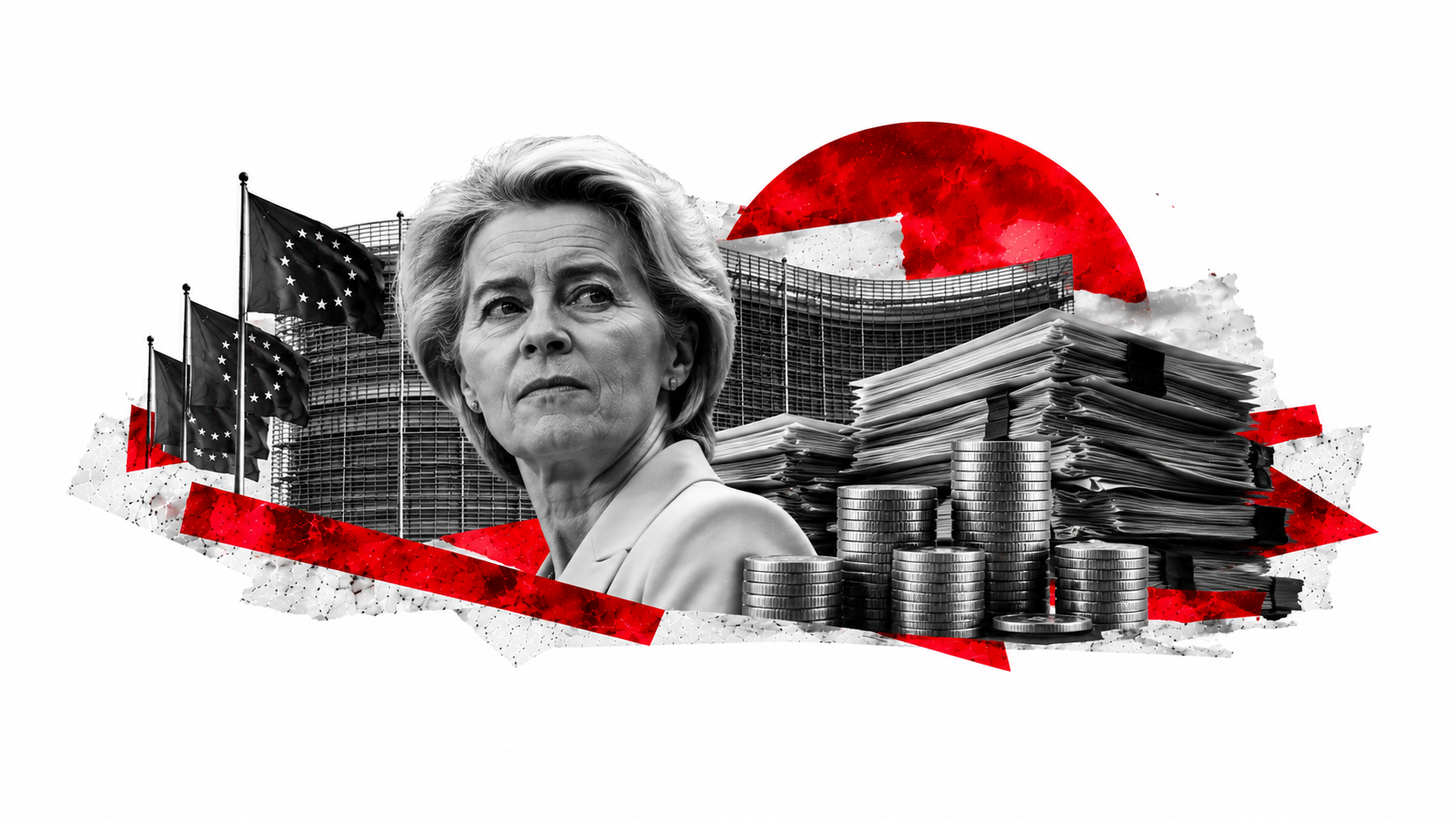
The blockage of the €90 billion aid has caused significant concern in Brussels, creating a potential trap for EU leaders striving to support Ukraine in its conflict with Russia. The intertwined issues of Russian oil supplies and financial aid to Ukraine are becoming increasingly urgent against the backdrop of Hungary's internal political pressures. The delay in releasing these crucial funds could have serious consequences for Ukraine's war-torn economy and stability.
Orban's actions at the summit suggest an aim not only to boost his domestic popularity but also to exert greater influence over broader European policy regarding Ukraine. Hungary's approach demonstrates how a member state's internal political challenges can directly impact EU-wide foreign policy and support for a nation under invasion.
As Hungary's political landscape shifts, the implications of Orban's veto on Ukraine's aid become increasingly complex. This situation mirrors previous instances where Hungary's energy needs have influenced its foreign policy decisions. For a deeper understanding of how these dynamics play out, explore our coverage on Orban's stance on Ukraine and the necessity of Russian oil for Europe.

Read also