Onboarding vs. Orientation: Why Every Business Must Know the Difference

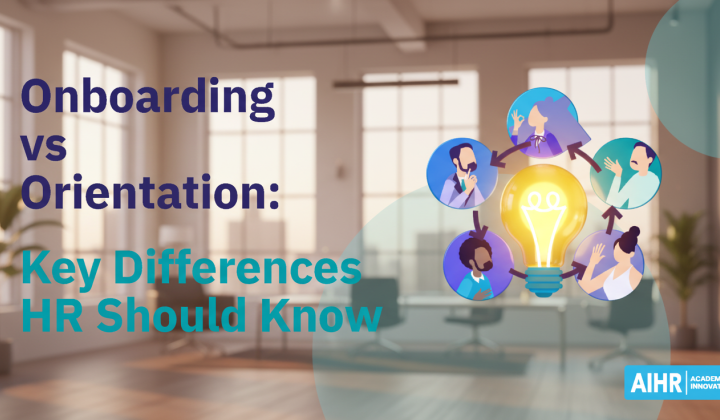
Onboarding vs. Orientation: Key Distinctions You Should Understand
According to AIHR: When integrating new hires, companies rely on two distinct but related processes: orientation and onboarding. Orientation is a short, structured introduction covering essentials like company policies, paperwork, and system access-typically lasting a day or the first few days. In contrast, onboarding is a broader, ongoing process that spans weeks or months, focusing on adaptation, training, managerial support, and boosting productivity. It's crucial to note that orientation is just one component of onboarding, not a substitute for it.
How Orientation and Onboarding Differ
Orientation usually takes place on the first day or within the first few days. It prepares new employees to start work by covering the basics: company policies, documentation, IT access, workplace rules, and an initial introduction to the team. This phase typically wraps up within a day or a few days.
Onboarding, however, continues well beyond orientation over the following weeks or months. This process helps employees settle in, build confidence, and gradually become productive. As AIHR points out,
“Orientation helps employees get started, while onboarding helps them succeed”
-a distinction that underscores the value of both stages in a new hire's development.
Here are several reasons why it matters to differentiate between onboarding and orientation:
- It prevents the misconception that onboarding ends on the first day;
- It simplifies task management and responsibility delegation;
- It ensures ongoing support for new employees beyond day one;
- It helps create a more realistic timeline for a new hire's journey;
- It reveals gaps in the integration process;
- It delivers a smoother, more cohesive experience for employees.
In short, it's essential to recognize that orientation and onboarding are connected but not identical. As AIHR notes,
“Orientation is one part of onboarding, not a replacement for it”
-highlighting the need for a holistic approach to integrating new hires, one that includes both short-term and long-term support.
Getting these processes right is increasingly important in today's tight labor market, where competition for talent is fierce. Companies that invest in effective employee integration programs can significantly boost job satisfaction and productivity. This, in turn, helps reduce turnover and retain valuable human resources within the organization.
Understanding the nuances of employee integration is vital for enhancing overall productivity. While onboarding focuses on long-term success, redesigning workspaces can significantly impact efficiency and employee satisfaction. By exploring innovative strategies for workplace design, businesses can further support their new hires and foster a more productive environment.

Read also