Tax and customs overhaul for EU bid announced by Ukraine’s Finance Ministry

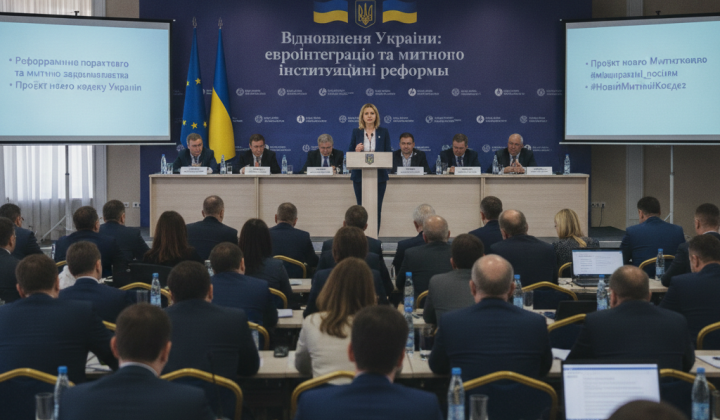
Forum talk: “Recovery of Ukraine: European Integration and Institutional Reforms”
According to Мінфін: At the “Recovery of Ukraine: European Integration and Institutional Reforms” forum, officials from the Finance Ministry and business delegates focused on the tax and customs measures required for Ukraine to fulfill its international commitments and move closer to EU accession. The discussion is part of the broader policy work tied to Ukraine’s EU accession process. Deputy Finance Minister Svitlana Vorobey stressed that EU integration means meeting specific requirements and embedding European legislation into national law.
There was broad agreement that Ukraine’s tax and customs rules must be brought in line with EU standards. Specific items raised during the discussion were:
- draft legislation on taxation of international postal deliveries;
- examination of the proposed new Customs Code of Ukraine;
- work on a bill aimed at easing VAT administration.
The conversation also covered the introduction of EU Directive 2016/1164 (ATAD), designed to prevent tax avoidance, and improvements to the simplified tax regime. Individuals from the Ukrainian Business Council and the National Business Coalition for Small and Micro Business joined the event.
“European integration first and foremost means delivering on concrete commitments. To become an EU member, Ukraine has to incorporate European rules into its legal system and guarantee their real-world implementation. That is why the Finance Ministry is steadily preparing the legislative amendments set out in our international obligations,” Vorobey said.
In the end, the Ministry and business representatives are on the same page: without tax and customs reform, Ukraine’s path to EU membership cannot advance. Hashtags: #FinanceMinistry, #Taxation, #InternationalParcels, #NewCustomsCode.
Reforms as a cornerstone of Ukraine’s EU integration
The forum’s discussions highlight that reform is central to Ukraine’s European course, because meeting international obligations is decisive for progress toward membership. Aligning taxation and customs law with EU standards could improve the business environment and attract investment, which would in turn support economic growth.
Success in implementing these changes will largely determine Ukraine’s ability to join European institutions and to ensure stable, transparent economic relations. Ongoing cooperation between government and business will be essential to reach these shared goals.

Read also