European Arms Prices Have Skyrocketed Over 50% in Just Two Years

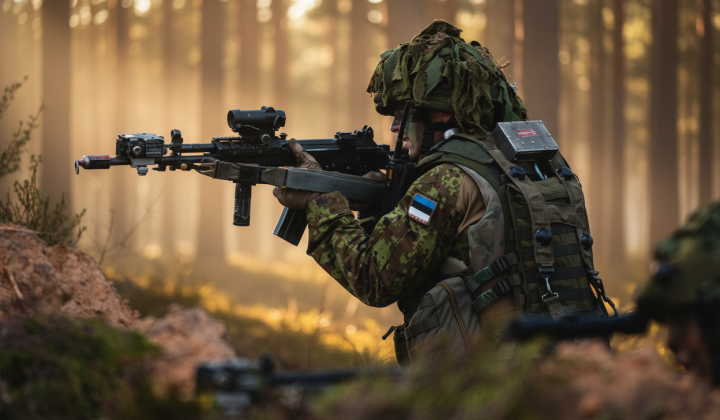
Much Pricier Than Two Years Ago
According to Главком: According to Bloomberg, European nations are grappling with a dramatic surge in the cost of weaponry, with prices for certain items climbing more than 50% over a two-year period. Estonia’s Defense Minister, Hanno Pevkur, shared this assessment during the Lennart Meri security conference held in Tallinn. This price hike is a direct result of NATO members massively ramping up their defense budgets following Russia’s full-scale invasion of Ukraine. Pevkur noted,
“When we bought certain equipment two years ago and now want to increase the volume of purchases, the price for some items has already gone up by 50 to 60 percent.”
The main driver behind these rising costs is the sudden surge in demand from dozens of countries simultaneously. However, a separate, persistent challenge is the lack of sufficient manufacturing capacity. Defense companies are hesitant to invest in expanding their factories without long-term guarantees from governments.
“If industry doesn’t understand that there will be a lot of money in the market, it lags behind,”
Pevkur added.
Growing Military Budgets and Supply Delays
Data from SIPRI shows that the military budgets of European NATO members grew faster in 2025 than at any point since 1953. Poland has proposed that NATO raise its spending target from 2% to 5% of GDP, aiming to reach that level by 2030. However, at the NATO summit in The Hague in June 2025, Alliance members agreed to increase defense spending to 5% of GDP, with a target year of 2035.
Furthermore, active U.S. military operations in the Middle East are causing delays in the delivery of American weaponry to Ukraine. This, in turn, is further straining the European arms market, where demand already far outstrips supply. Consequently, the sharp increase in arms prices has become a critical issue that must be addressed amid today’s global challenges.
This trend underscores the urgent need for states to bolster their defensive capabilities in the face of mounting threats. It also highlights the necessity for closer coordination among NATO countries to ensure efficient supply chains and production, in order to meet the growing demand. Given the rapidly evolving situations in Ukraine and the Middle East, questions surrounding defense spending and investment in the military industry have become more pressing than ever.
As European nations increase their defense budgets in response to rising military threats, the focus has also shifted to other critical areas of national security. For instance, Slovakia and Italy have emphasized the importance of healthcare and cybersecurity in their NATO spending, highlighting a broader strategy that goes beyond traditional military investments. This multifaceted approach is essential as countries navigate the complexities of modern defense needs.

Read also