Fuel Crisis Spreads Across 53 Regions of Russia

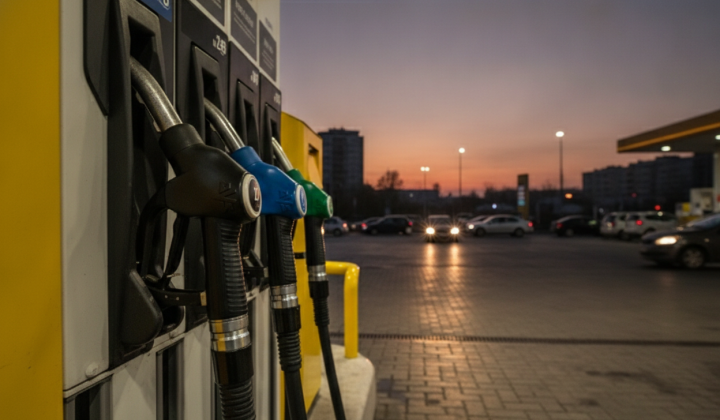
Fuel Situation in the Irkutsk Region
According to Главком: Igor Kobzev, the governor of the Irkutsk region, has called on law enforcement to address the issue of fuel reselling at inflated prices. He emphasized that such practices are unacceptable, as some individuals are stockpiling fuel not for personal use but for profit. The long lines at gas stations across the region are the result of artificially created demand. Local authorities hope to stabilize the situation and reduce fuel demand within the next 10 to 14 days. The mayor of Irkutsk has also pledged to install portable toilets near gas station queues to assist drivers.
Crisis Situation in Russia and Crimea
Amid this turmoil, Russia has requested approximately 50,000 tons of AI-92 gasoline from Kazakhstan. However, Kazakhstan’s Energy Minister, Erlan Akkenzhenov, stated that Astana has not received any official request from Moscow for fuel supplies. Gasoline production in Russia has dropped by roughly a quarter compared to last year, triggering a fuel crisis that now affects 53 regions. In 18 of these regions, drivers are limited to purchasing no more than 50 liters or one full tank of fuel.
In occupied Crimea, power outages and fuel shortages are compounding logistical difficulties. The occupying administration has introduced rolling blackouts and reported restrictions on transportation and social services. The fuel and electricity situation in the region remains critical.
This situation highlights the serious challenges facing Russia’s regions, particularly amid declining fuel production.
The emergence of shortages and fuel purchase limits points to significant strains on transportation infrastructure and the broader economy. Additionally, the power outages in Crimea could escalate social tensions in the region, requiring urgent resolution.
The ongoing fuel crisis is not limited to the Irkutsk region; it has also led to innovative measures in occupied Crimea, where authorities are implementing QR-code sales for gasoline. This approach aims to manage the scarcity and streamline distribution amidst the growing challenges posed by fuel shortages. To understand how these developments are interconnected and the potential implications for residents, read more about the QR-code gasoline sales in Crimea.

Read also