Why Western Defense Billions Still Flow to Tanks Over Cheap Drones

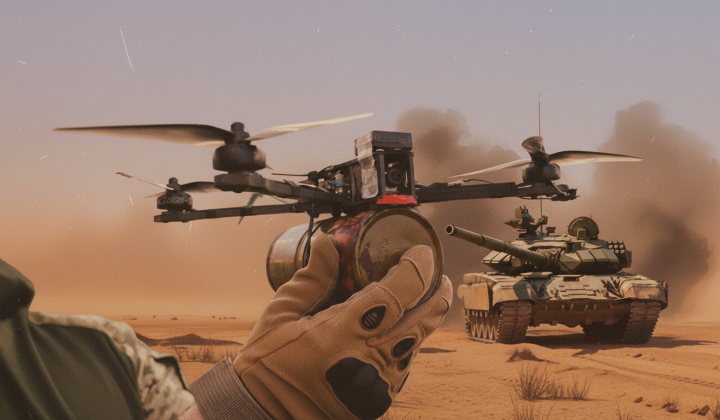
The Western Defense Industry's Puzzling Priority
According to ХВИЛЯ: Despite the proven and devastating impact of inexpensive drones in Ukraine's war, major Western defense contractors like Rheinmetall continue to prioritize manufacturing costly traditional weapons systems. This creates a strategic paradox. While Ukraine produces millions of low-cost drones annually that can destroy tanks, Western bureaucratic processes and defense spending requirements often channel funds toward these far more expensive platforms.
The German defense giant Rheinmetall, with annual revenues in the tens of billions of euros, operates 180 plants-including eight in the United States. Its portfolio spans tanks, artillery, warships, missiles, drones, air defense systems, and fuselages for F-35 jets. In February 2022, German Chancellor Olaf Scholz announced a special 100-billion-euro fund for rearmament, a direct response to heightened security threats in Europe.
Production Ramp-Up and a Debate on Innovation
Rheinmetall's CEO, Armin Papperger, presented an urgent procurement list worth 42 billion euros, describing the process as
“like playing with Lego.”
He downplayed Ukrainian innovations, stating,
“They have no technological breakthrough. They make their stuff with little drones and say: 'Wow!'”
Papperger noted that in Ukraine, 'housewives' use 3D printers to make drone parts, which he does not consider true innovation.
According to General Christopher Cavoli, Russia has lost approximately 3,000 tanks, 9,000 armored vehicles, 13,000 artillery systems, and over 400 air defense systems in a year. A primary weapon inflicting these losses has been the kamikaze drone, costing around $400 each.
“I would say they are the world leader in one-way-attack drone technology,”
the general remarked.
Concurrently, Rheinmetall has massively increased artillery shell production. Before Russia's invasion, it made about 70,000 shells annually; last year, output reached 700,000. In 2024, the company completed construction of a new artillery plant in Unterlüß in under 14 months to fulfill a nearly $10 billion contract supplying shells to the Bundeswehr.
Rheinmetall's order backlog is projected to exceed 135 billion euros by the end of 2026, with a market capitalization around $80 billion. However, NATO estimates that Russia can produce large-caliber artillery shells at four times the rate of the entire alliance.
“There was a real shell famine at the front, and it was killing us,”
noted Colonel Oleksii Noskov.
Faced with such high demand for shells and equipment, industry figures like Steffen Hebestreit argue for a strategic shift:
“We will never produce as many shells and tanks as the Russians. Therefore, the strategy needs to change. Produce fewer tanks. Produce more drones. It seems like an obvious solution.”
Thus, despite the demonstrated progress and effectiveness of drone warfare in Ukraine, Western defense conglomerates like Rheinmetall keep investing heavily in traditional military technology. This ongoing commitment sparks debate about the efficiency and relevance of such expenditures in modern conflict. The situation highlights a potential mismatch between the evolving demands of contemporary warfare and the entrenched production capabilities of Western nations, a disparity that could influence the outcomes of future military engagements.
As the conflict in Ukraine continues to reshape military strategies, the global interest in innovative drone defense solutions is rising sharply. This shift highlights the contrast between traditional weaponry and the effectiveness of low-cost drones. For a deeper understanding of how Ukraine is emerging as a leader in counter-drone technology and the growing demand for these systems, explore our article on Ukraine's advancements in drone defense.

Read also