Atlas Can Swap Out Its Own Battery: Boston Dynamics Unveils the Autonomous Upgrade

What's New With Atlas
According to НВ — Техно: On August 11, 2023, Boston Dynamics announced an upgrade to its humanoid robot Atlas: the machine can now detect when its battery is running low, return to its charging station, and swap in a fresh battery in under three minutes. This is a key step for keeping Atlas working for long stretches in industrial settings, where reducing downtime and limiting human oversight are top priorities. The announcement reflects the company's continuing efforts to push humanoid robots toward practical commercial use.
Design, Performance, and Capabilities
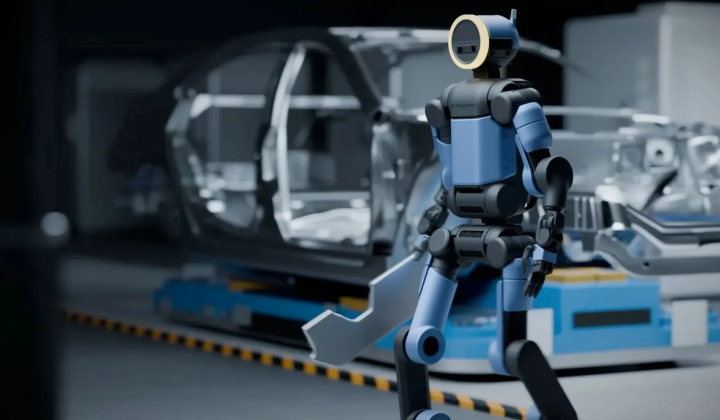
Atlas is built for industrial jobs such as lifting, hauling, and handling materials. Under typical workloads, it runs about four hours on a charge; for heavier tasks, that drops to roughly two hours. Recharging from empty takes about 90 minutes. The latest version stands about 1.88 meters tall and weighs roughly 90 kilograms.
For payloads, Atlas can handle up to 30 kilograms over extended periods and can briefly lift as much as 50 kilograms. Its hands are fitted with touch sensors, and its camera system provides 360-degree visibility. Using artificial intelligence, Atlas adjusts its movements to suit changing conditions rather than simply following fixed, pre-set routines.
Boston Dynamics also relies heavily on simulated training to teach Atlas difficult physical tasks. During testing, the robot learned to move a refrigerator weighing more than 45 kilograms. The self-swapping battery feature is part of the broader development effort, helping Atlas work effectively on factory floors. The company sees this as a path toward roles that require continuous operation and less dependence on people stepping in.
With these advances, Boston Dynamics' Atlas is becoming a more independent and efficient industrial assistant, potentially reshaping how factories approach workflow automation.
Cutting the time Atlas spends waiting for a charge matters most on production lines where every minute counts. This development also points to a growing reliance on robotics for jobs that call for sustained, uninterrupted operation with minimal human involvement.
As Boston Dynamics continues to innovate in the field of robotics, the recent advancements in Atlas echo similar developments seen in other autonomous machines. For instance, the Figure 03 robot's ability to climb ladders without human intervention showcases the growing independence of robots in performing complex tasks. This trend not only enhances operational efficiency but also paves the way for wider adoption of robotic solutions in various industries.

Read also