Trichomonas tenax Found in Nearly One-Fifth of Dogs and 6% of Cats, Highlighting Need for Further Study


Examining Trichomonas tenax in Household Pets
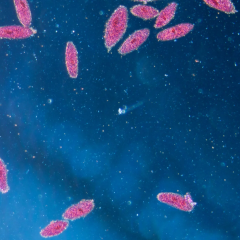
According to НВ — Техно: Researchers from Wrocław University of Environmental and Life Sciences have detected the parasite Trichomonas tenax in 17% of dogs and about 6% of cats examined in their study. The investigation involved 238 pets in total, including 151 dogs and 87 cats. Typically residing in the human oral cavity, this parasite is linked to gum diseases and can be transmitted via saliva.
The study revealed that dogs over the age of 9 and those with significant dental tartar build-up are more prone to infection. Interestingly, all cats testing positive for the parasite were indoor-only pets. However, the researchers found no statistically significant correlation between the animals' living conditions and infection rates.
Findings from Czech Research and the Impact of Trichomonas tenax
Similar research conducted in the Czech Republic reported Trichomonas tenax in nearly 38% of shelter dogs and 10% of cats. Oral trichomonads can stimulate the production of proteins and enzymes that damage collagen fibers, leading to the deterioration of soft tissues. Additionally, these parasites are occasionally detected in tonsils or lymph nodes.
The effects of Trichomonas tenax on the health of dogs and cats remain poorly understood, underscoring the necessity for continued investigation. More research is essential to clarify the parasite's prevalence, transmission pathways, and potential risks to both animal and human health. Given that roughly one in six dogs may carry this human-associated parasite, understanding its transmission dynamics is especially important.
These findings emphasize a potential health risk for pets and highlight the importance of screening animals for parasitic infections. This research also opens up critical avenues for exploring how infections might pass between animals and humans-a pressing concern amid rising zoonotic disease cases. Further studies could provide vital insights to reduce infection risks and enhance the wellbeing of both pets and their owners.

Read also