Romania’s Government Falls as Euro Hits All-Time High: Parliament Ousts Prime Minister Bolojan

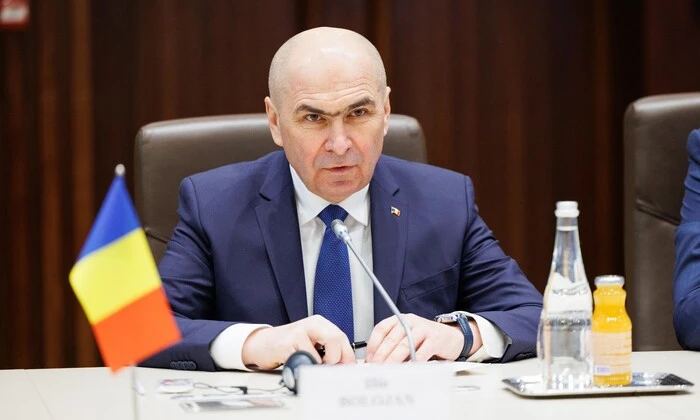
Bolojan Government Dismissed by Romanian Parliament
According to Главком: Romania's parliament has voted to dismiss the government led by Prime Minister Ilie Bolojan. The no-confidence motion, initiated by the Social Democratic Party (PSD) and the Alliance for the Union of Romanians (AUR), secured an unprecedented 281 votes in favor. With 431 deputies and senators present, the motion easily surpassed the minimum threshold of 233 votes required to pass. Only four lawmakers opposed the dismissal. Members of the National Liberal Party (PNL), the Save Romania Union (USR), and the Hungarian Democratic Union of Romania (UDMR) chose to be present in the chamber but abstained from voting.
Following the announcement of the results, Bolojan left the parliament building. Romania now enters a period of negotiations to form a new government. The Bolojan administration had faced heavy criticism over its handling of state-owned enterprise reforms, with opposition figures accusing the prime minister of attempting to maintain control over strategic companies. Notably, Sorin Grindeanu charged Bolojan with unfairly distributing budgetary funds.
Political and Economic Fallout
Amid the political upheaval, the Romanian leu weakened, while the euro surged to a new historic high against the national currency. In a separate development, the European Parliament voted to strip lawmaker Diana Șoșoacă of her parliamentary immunity. The internal political climate has also stirred strong emotions within the PNL, highlighting the deep tensions in parliament.
The dismissal of the Bolojan government signals growing political instability in Romania, where opposition parties have successfully united to achieve a common goal. This could lead to new political alliances and shifts in public policy as the country prepares to form a new administration. The economic consequences of these changes are already visible in the foreign exchange market, potentially affecting both investors and consumers across the nation.
In light of the recent political turmoil, the opposition's efforts to unseat the government have gained significant momentum. This dismissal raises questions about whether they can secure the necessary support to push through their agenda. For more insights on the opposition's strategy and the additional votes they need to succeed, read about their ongoing challenges to topple the current administration.

Read also