When an Expert Realized Russia's Invasion Was Inevitable

Debating Russia's Intentions in Europe
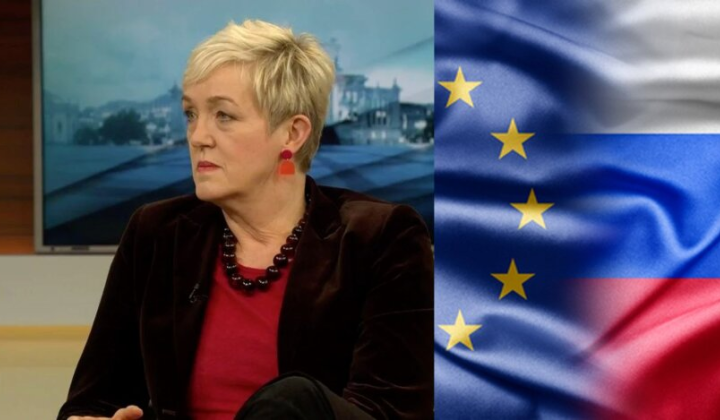
According to ХВИЛЯ: In an interview with Michael Kimmage, Constanze Stelzenmüller, a fellow at the Brookings Institution, analyzed how Europe perceived Russia's intentions before the 2022 full-scale invasion of Ukraine. She highlighted key events that foreshadowed the conflict, including:
- Vladimir Putin's 2007 speech in Munich;
- The 2008 war in Georgia;
- The annexation of Crimea;
- The Minsk agreements;
- Failures in German policy.
Stelzenmüller stated that by November 30, 2021, she had already concluded that a Russian offensive was unavoidable. This moment of clarity came months before the invasion actually began on February 24, 2022, offering critical insight into the warning signs that many in the West missed or downplayed.
At the Munich Security Conference in February 2007, Putin delivered a speech that deeply alarmed Western leaders. It served as an early signal of a shift in Russia's foreign policy direction. In August 2008, the war in Georgia erupted, and Stelzenmüller visited the country during the first week of September that year, which helped her grasp the full scale of the threat.
In Ukraine, Viktor Yanukovych won the 2010 presidential election, marking another pivotal moment in regional politics. Starting in 2014, the Minsk process aimed to resolve the conflict in Donbas but ultimately cost 10,000 lives. According to Stelzenmüller, by November 30, 2021, she was already certain that Russian forces would attack-a conviction confirmed by the full-scale invasion on February 24, 2022.
The interview also addressed mistakes in German policy. Radek Sikorski noted:
“I fear Germany’s inaction more than I fear Germany’s actions.”
In October 2022, the world came dangerously close to the threat of Russia using nuclear weapons, further underscoring the gravity of the situation.
Stelzenmüller emphasized an important lesson:
“We don’t need to be as good as the Americans; it’s enough for us to be better than the Russians.”
This perspective could guide European countries in shaping their policies toward Russia amid growing tensions.
The experts' discussion on Russia’s intentions in Europe highlights troubling trends in international relations. Historical events like the annexation of Crimea and the war in Georgia demonstrate that Russia’s aggressive foreign policy can have severe consequences for regional security. It is essential for European nations to learn from these lessons in order to respond effectively to the challenges posed by Russian aggression.
In light of the insights shared by Stelzenmüller regarding the inevitability of Russian aggression, it is crucial to understand the current dynamics in Ukraine. As the situation evolves, Putin's plans for major mobilization in response to setbacks highlight the ongoing volatility and the potential for further escalation in the region.

Read also