Hungarian Parliamentary Elections Set New Turnout Record: Implications Analyzed

Hungary's Parliamentary Elections
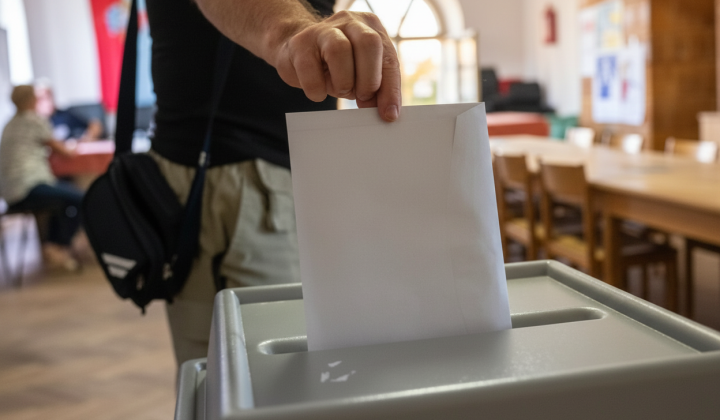
According to Главком: Hungary's parliamentary elections have concluded with a record-breaking level of voter participation. Polls closed at 7:00 PM local time (8:00 PM Kyiv time). A historic turnout record was set, surpassing the previous high of 77.80% recorded in 2002. By 6:30 PM, 5.856 million people had cast their votes, marking a significant achievement for the country's democratic processes. These elections are closely watched across Europe, given Hungary's position within the EU and NATO.
Voting Details
The vote was conducted across 10,047 polling stations in 3,154 localities nationwide, including 23 districts in the capital, Budapest. By 5:00 PM, over 74% of eligible voters-approximately 5.5 million people-had already participated. This substantially exceeded the 67.8% turnout recorded at the same time during the 2022 elections.
Among those who voted were the incumbent Prime Minister Viktor Orbán, who leads the Fidesz party, and Péter Márki-Zay, the leader of the opposition Tisza party. Notably, the absolute turnout record from 2002 was broken a full two hours before polling stations closed. Another notable voter was Mihály Szekeres-Tóth, the mayor of Bócsa and a long-time Fidesz member, who publicly stated he cast his ballot for the Tisza party.
This election represents a pivotal moment in Hungarian political life, demonstrating strong voter engagement and a clear public desire to shape the nation's future. The exceptionally high turnout suggests a surge in political awareness and civic involvement among the population. This could significantly influence Hungary's political trajectory, as the election results may alter the balance of power in parliament. In the context of the competition between the ruling Fidesz party and opposition forces, such turnout figures send a powerful signal to politicians about public sentiment and priorities.
The unprecedented voter turnout not only reflects a heightened political engagement among Hungarians but also raises questions about the stability of the current government. As various factions within the ruling party face defections, the implications for Prime Minister Viktor Orbán's leadership are significant. To delve deeper into how these dynamics could reshape Hungary's political landscape, read more about the potential challenges to Orbán's authority in this analysis of voter trends and party shifts.

Read also