High Voter Turnout and Fidesz Defections Threaten Orban's Grip on Power in Hungarian Election

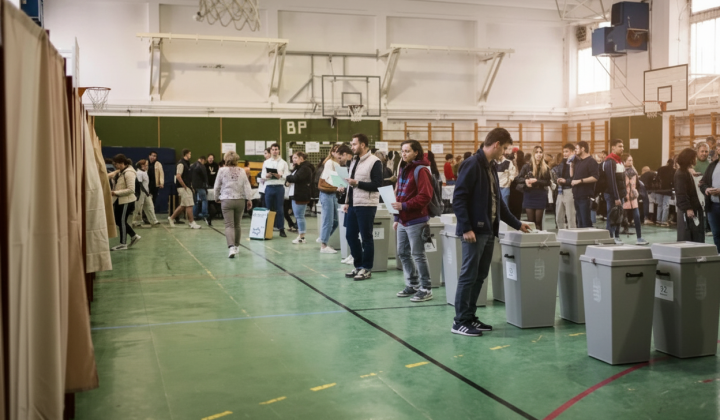
Unprecedented Voter Participation in Hungarian Parliamentary Elections
According to Главком: Hungary's parliamentary elections are seeing an unusually high level of voter participation. As of 1:00 PM Budapest time (2:00 PM Kyiv time), turnout had reached nearly 54%. In contrast, at the same time during the previous parliamentary elections, turnout was only around 40%.
Recent polls indicate the opposition party 'Tisza' is leading the ruling 'Fidesz' party by 7-9 percentage points, suggesting a potential shift in the country's political landscape. A notable signal of changing electoral sentiment came from Mihály Szeke-Tóth, a Fidesz member and mayor of the village of Bocs, who publicly cast his vote for the opposition. This election is being closely watched across Europe, as Hungary's political direction has significant implications for the region.
Incumbent Prime Minister and Fidesz leader Viktor Orbán has already voted, as has Péter Magyar, the leader of the opposition 'Tisza' party. The high turnout and voter engagement could make this election decisive for the future political careers of both leaders and their parties.
Voter Turnout Comparison
- 2026 Elections: nearly 54%
- Previous Elections: around 40%
Consequently, the current elections in Hungary are already demonstrating significant differences from previous ones, which could impact the final voting results and the future development of the country's political situation.
The high voter turnout may indicate growing civic engagement and public interest in political change. A victory for the opposition 'Tisza' party could lead to new political directions and initiatives within Hungary, potentially altering the country's relationships with the European Union and neighboring states. Observers will be closely monitoring the final results and the societal reaction to them.
As the political climate in Hungary evolves, the implications of the ongoing election extend beyond national borders. Recent analyses, including insights from the Kremlin's perspective on the Hungarian elections, highlight concerns over Orbán's party potentially losing its majority, further emphasizing the significance of voter turnout and the shifting allegiances within the electorate.

Read also