NATO Plan to Allocate 0.25% of GDP to Ukraine Blocked by Five Member Nations

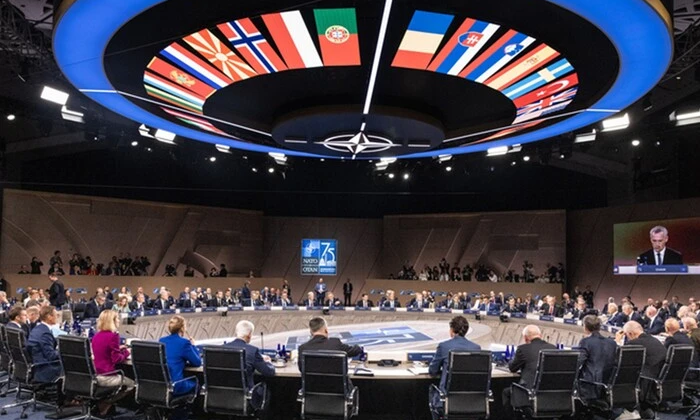
Setback for Military Aid to Ukraine
According to Главком: A proposal by NATO Secretary General Mark Rutte to commit 0.25% of member states' GDP annually to military assistance for Ukraine has been blocked. The United Kingdom, France, Spain, Italy, and Canada refused to back the initiative, preventing it from moving forward. Under NATO’s consensus-based decision-making process, unanimous approval from all 32 members is required, making the plan unviable without their support.
At least seven NATO countries already exceed the proposed 0.25% GDP threshold in their aid contributions. These nations include:
- the Netherlands
- Poland
- Nordic countries
- Baltic states
Although the UK ranks as the third-largest donor to Ukraine after the United States and Germany, Prime Minister Keir Starmer has pledged at least £3 billion per year-roughly 0.1% of GDP. This discrepancy highlights the gap between existing commitments and the proposed standard.
Reactions and What Comes Next
Rutte acknowledged the lack of traction, stating:
“I don’t think this option will be put forward.”
A source familiar with the discussions told The Telegraph:
“They are not too thrilled about this idea.”
Ahead of a NATO meeting in Sweden, Prime Minister Ulf Kristersson urged allies to step up, adding:
“I would very much like to see more countries that speak so well about Ukraine back up their words with action.”
Swedish Defense Minister Pål Jonson also emphasized that Ukraine must be given a clear path to NATO membership.
The deadlock underscores the challenges NATO faces in forging a unified stance on supporting Ukraine. The lack of consensus among key members could shape future alliance decisions on military aid and long-term commitments. Upcoming NATO summits will be critical for discussing alternative initiatives and strategies, as well as clarifying Ukraine’s membership prospects within the alliance.
The recent blockage of NATO's proposal highlights the ongoing debate about military support for Ukraine. As discussions continue, it's essential to consider the implications of a mandatory GDP contribution from member states that could reshape the alliance's approach to aid and defense commitments in the region.

Read also