U.S.-Iran Talks Collapse Amid State Department Breakdown

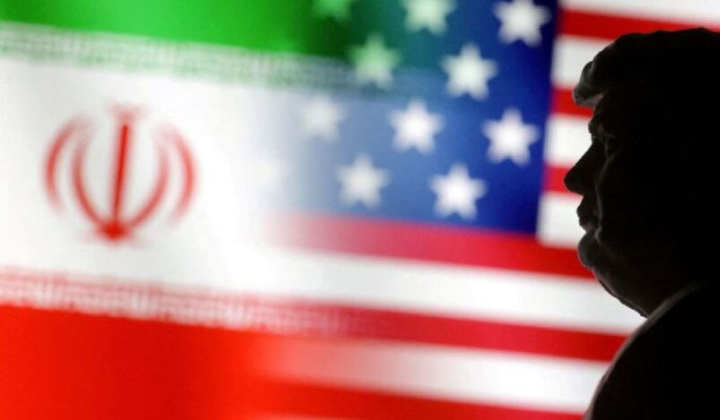
Why U.S.-Iran Negotiations Are Stalling
According to ХВИЛЯ: Geopolitical analyst Peter Zeihan points to a broken State Department negotiation framework, the dismissal of diplomat Michael Anton without a replacement, and a limited circle of negotiators handpicked by Donald Trump as key reasons why a deal between Washington and Tehran is going nowhere. Zeihan notes that actual talks are being conducted by Pakistani General Asim Munir.
The Trump administration has claimed for nearly two months that a nuclear agreement with Iran is in its final stages, yet no real negotiations are taking place between the two capitals. Diplomat Michael Anton, who was responsible for technical discussions, was let go last fall, and no one has been hired to take his place. During the first year of Trump's second term, thousands of senior federal officials were removed, and their vacancies were never filled.
Key Players and Their Roles in the Talks
Trump handed the negotiation file to a tight-knit group of individuals, including:
- Jared Kushner
- Steve Witkoff
- JD Vance
But Kushner quickly exited the scene, as Iranian officials saw no point in engaging with him. Vice President JD Vance held a single 20-hour meeting with the Iranian team in Pakistan, which yielded no results. The United States is effectively represented at the table by General Asim Munir, who commands both Pakistan's army and intelligence services.
Munir earned his general stars after a four-day war with India and orchestrated the ouster of Pakistan's previous head of state. He actively sought a personal rapport with Trump during a White House dinner. Financial backing for Munir comes from Gulf Arab states, particularly Qatar. The negotiation chain works as follows: Trump's directives flow through Witkoff to Munir, who then negotiates with the Iranians. Together, they draft a counterproposal, which is sent back to the president.
The Persian Gulf remains effectively blockaded. Over the past three months, global markets have been deprived of 12 to 13 million barrels of oil per day. The oil deficit is approaching 1.25 billion barrels, and commercial stockpiles have swung from surplus to acute shortage. The world's strategic petroleum reserves are now more than half depleted. By June, oil inventories are forecast to hit record lows not seen since the 1973 oil crisis. Today's oil demand is double what it was in 1973.
“We pay for it, but get nothing. The State Department is the perfect example.”
Peter Zeihan
The lack of progress in U.S.-Iran negotiations could have severe consequences not only for both nations but also for the global energy market. With oil deficits reaching historic levels, stability in the Persian Gulf-a critical supply region-has never been more important. Given the dysfunction inside the Trump administration's negotiating apparatus, the situation around Iran and the Gulf remains tense and warrants close monitoring by international observers.
As tensions continue to mount, the lack of a decisive move from Trump regarding the Iran agreement raises questions about the future of U.S.-Iran relations. For a deeper understanding of the ongoing uncertainty and the implications of Trump's indecision, see how it contrasts with recent developments in negotiations by visiting Trump's ongoing deliberations on the Iran deal.

Read also