Navigating the March 29th Daylight Saving Time Shift: A Neuroscientist's Guide to Adaptation

Daylight Saving Time Begins in Ukraine
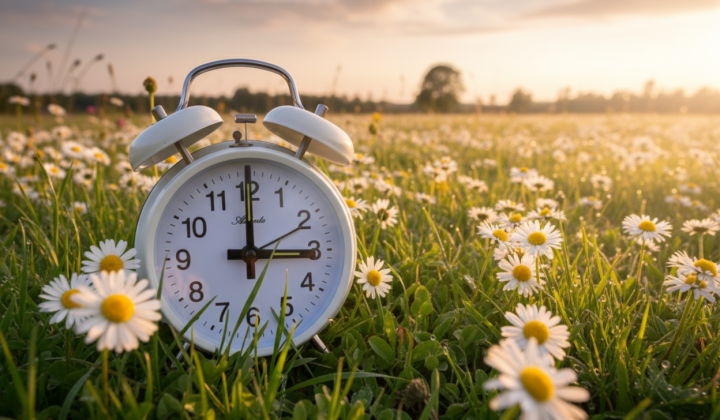
According to Главком: At 3:00 AM on March 29, clocks in Ukraine will be set forward by one hour, marking the start of Daylight Saving Time (DST). This biannual shift occurs in spring and autumn. The change significantly alters the balance of light and darkness, making mornings darker and evenings brighter. Professor Rob Lucas, a neuroscientist at the University of Manchester, emphasizes the importance of helping your body adjust to this disruption.
Expert Advice for a Smoother Transition
According to Professor Lucas, our internal biological clock is primarily guided by light exposure, meaning a time change can disrupt our natural rhythms. To ease the adaptation to the new schedule, he offers several straightforward recommendations:
- To start waking earlier, go outside and spend time in daylight immediately after getting up. This helps your body reset more quickly.
- Keep your bedroom as dark as possible at night, and increase your exposure to bright light in the morning. This contrast supports better adaptation.
- Spend at least 15 minutes outdoors within the first 30 to 60 minutes of waking on the Sunday of the time change and in the following days.
These simple tips can assist anyone who struggles with the transition to Daylight Saving Time.
While DST is a common practice in many countries aimed at making better use of natural evening light and reducing energy consumption, adjusting to the shift can be challenging, particularly for those with sensitive circadian rhythms. The practice of changing clocks is a subject of ongoing debate in many regions due to its health impacts. Professor Lucas's advice provides a practical toolkit for mitigating potential negative effects, helping to maintain overall well-being and productivity. Therefore, considering these strategies is key to a smoother transition to the new time schedule.
As we prepare for the upcoming shift to Daylight Saving Time, it's important to stay informed about future changes, particularly with Ukraine's plans to adopt Daylight Saving Time in 2026. Understanding these developments can help you better navigate the implications of time changes on your daily routine and health.

Read also