A Winter Olympics First: The Debut and Performance of a Transgender Athlete

A Historic Debut at the Winter Games
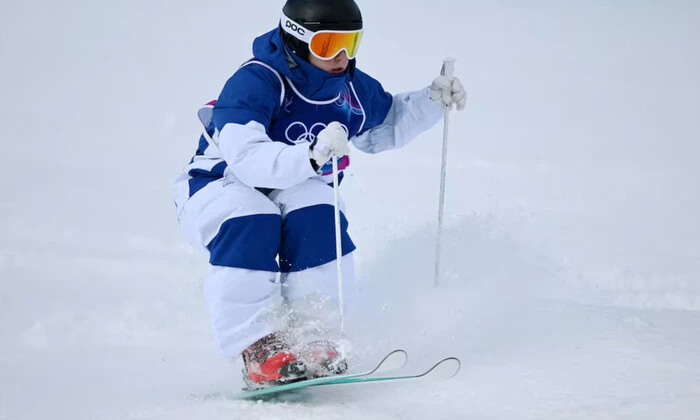
According to Главком: Swedish freestyle skier Alice Lundholm made history by becoming the first openly transgender athlete to compete at a Winter Olympics, participating in the women's moguls qualification. His participation was made possible under the IOC's 2021 Framework on Fairness, Inclusion and Non-Discrimination. Lundholm, who is 23 years old, identifies as a man but competes in the women's category as he was assigned female at birth. The inclusion of transgender athletes in elite competition is a complex and evolving issue in global sports governance.
The Swedish Ski Association confirmed that Alice Lundholm has not undergone hormone replacement therapy or any gender-affirming surgeries. In the moguls qualification event, he placed 25th, a result which did not advance him to the final round of twenty competitors. This outcome highlighted the intense level of competition among the world's top athletes in the discipline.
Alice Lundholm expressed his hopes for broader community support, stating: 'I want everyone to be themselves, do what they want, and be able to compete on equal terms'.
His participation underscores the growing emphasis on inclusivity in sport and opens new horizons for transgender athletes. The IOC is expected to make a definitive ruling on transgender athlete eligibility by early 2026, a decision that is being closely watched by the sporting community and fans worldwide. The debate surrounding the participation of transgender athletes in competitive sports remains a prominent and ongoing topic for discussion.
The Significance of Inclusivity in Athletics
Alice Lundholm's Olympic appearance marks a significant step toward greater inclusivity in sports, reflecting the increasing focus on gender identity and athlete rights. This milestone creates new opportunities for transgender individuals and may serve as a catalyst for future changes in sporting regulations.
Monitoring how this issue develops in the coming years will be crucial for understanding how the world of sport adapts to contemporary social changes.

Read also