Hungarian PM Opens Orban’s Offices to Public and Donates Millions to Ukrainian Orphanage

Orban’s Former Offices Now Open for Public Viewing
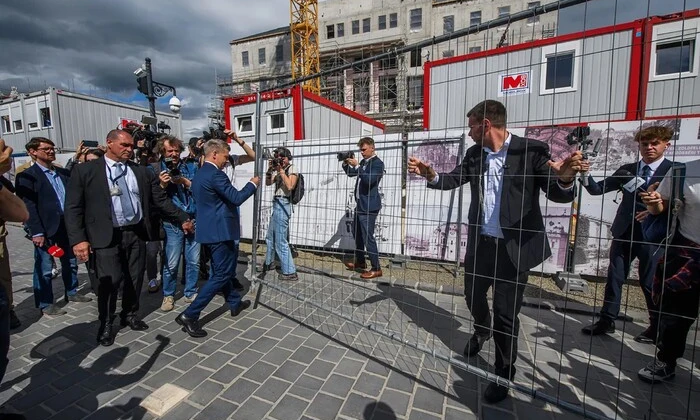
According to Главком: Hungarian Prime Minister Peter Magyar has opened the former offices of ex-Premier Viktor Orban to the public for free visits. This became possible after the removal of the fence surrounding the Carmelite Monastery in Budapest, which served as Orban’s residence. Magyar noted that while the 'Tisza' government cannot return to the Hungarian people the money already spent on these buildings, he wants to give citizens the chance to come and see these facilities.
Viktor Orban’s working offices will be preserved exactly as they are, serving as a historical exhibit. Peter Magyar has chosen his own offices on the Pest side of the Danube, near parliament, refusing to work in the enclosed monastery on Buda Hill. Additionally, the government has decided to redirect compensation payments originally intended for former ministers of Orban’s administration to an orphanage in Ukraine. These payments totaled 350 million forints (970,000 euros), and when combined with payments for deputies, the sum reached nearly 1 billion forints (2.8 million euros).
Government Reforms and New Initiatives
A key change has been the lifting of the state of emergency in Hungary, which was introduced by Viktor Orban’s government. The state of emergency was first declared during the Covid-19 pandemic and was extended due to Russia’s war against Ukraine. These steps reflect the new direction of the government under Peter Magyar’s leadership.
“Opening Orban’s offices to visitors is a symbolic move that underscores the new government’s commitment to transparency and accessibility of state institutions.” - Peter Magyar
This also signals Magyar’s efforts to distance himself from his predecessor’s practices and rebuild public trust. The end of the state of emergency, along with new social policy initiatives, indicates the government’s intention to move toward stability and restore citizens’ confidence in the authorities.
In a related development, Peter Magyar's decision to forgo the traditional official residence highlights his commitment to a more modern and accessible governance style. This move is further exemplified by his choice of a practical vehicle for official duties, which aligns with his vision of transparency and efficiency in government operations.

Read also