Poland's 2026 Public Transport Concessions: Eligibility for Free and Discounted Travel

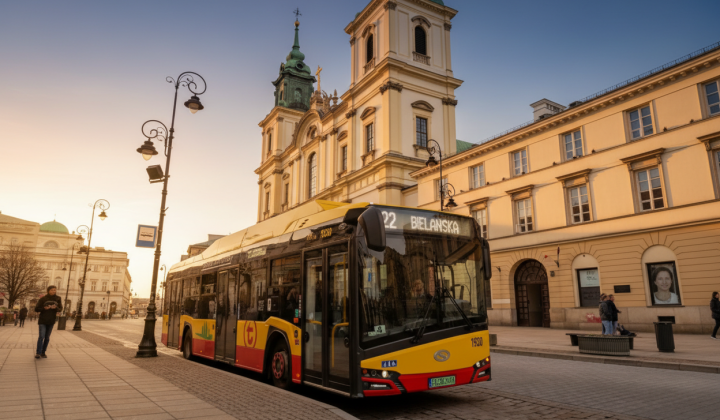
Poland's 2026 Public Transport Fare Concession Rules
According to ХВИЛЯ: Poland operates a unified public transport system covering both urban and rail services, with specific fare concessions available to various groups of citizens and foreign residents. This system is designed to ensure accessibility and convenience for all users. For international visitors and residents, it's helpful to know that these discounts are a key part of Poland's social policy.
Passengers eligible for multiple concessions may choose the most advantageous one. Free travel on urban transport is available to:
- Individuals aged 70 and over;
- Children under 7 years old (this concession is valid until September 30 of the year the child turns 7);
- Students of Polish schools with a valid student ticket or personalized POP card.
A 50% discount in cities applies to:
- Children and teenagers up to 17 years old with a photo ID;
- Youth aged 17–21 with a valid student ID;
- Students of foreign higher education institutions up to 26 years old with a valid international ISIC card.
Rail Transport Concessions
In rail transport, youth under 26 and doctoral students under 35 receive a 51% discount. Infants under 4 travel for free, while school pupils up to 24 years old get a 37% discount. School teachers and kindergarten educators are eligible for a 33% discount (excluding TLK, IC, EIC, and EIP category trains). Pensioners can also use a 37% discount twice a year.
Special conditions exist for persons with disabilities and their caregivers. Individuals with disabilities up to 24 years old (students up to 26) and their parents or guardians are entitled to a 78% discount. Persons with serious visual impairments can receive discounts ranging from 37% to 91%, depending on the disability group and train type. The largest concession of 95% is granted to guardians or companions of incapacitated or blind persons.
These regulations reflect Poland's efforts to ensure public transport accessibility for diverse segments of the population, including the elderly, children, students, and persons with disabilities.
These preferential terms not only improve mobility for vulnerable groups but also foster their social inclusion. In the future, such initiatives may serve as an example for other countries seeking to enhance the accessibility of their public transport systems.

Read also