Analyst Warns of Sovereignty Risks for Ukraine After Victory

Post-War Sovereignty Challenges for Ukraine
According to ХВИЛЯ: Polish political analyst Piotr Kulpa, speaking on political commentator Yuriy Romanenko's broadcast, outlined significant threats to Ukrainian sovereignty following the war. He stressed the critical importance of preserving Ukraine's domestic defense industry and ensuring the proper function of anti-corruption bodies for the nation's post-conflict future.
Kulpa stated that
"the question we will face after victory is the preservation of sovereignty."
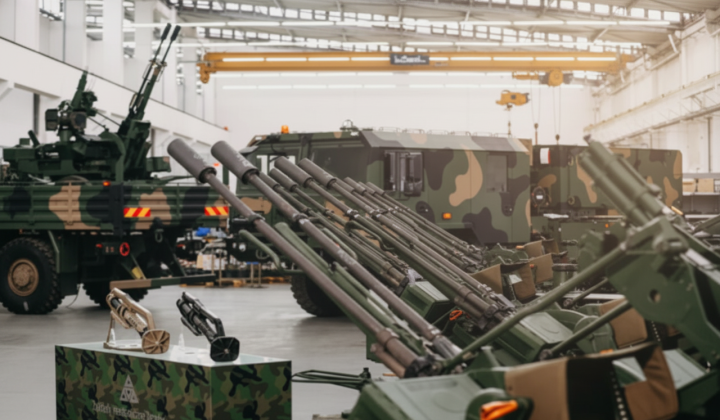
He argued that maintaining sovereignty depends fundamentally on safeguarding the Ukrainian army and its military-industrial complex. The analyst warned that
"competition and pressure from states that control everything externally poses an enormous risk to Ukrainian arms manufacturers."
He added, drawing a historical parallel, that
"history teaches us: the more organized party always seeks to limit the potential of those under its control."
These concerns come as Western allies provide substantial military aid, raising questions about long-term strategic autonomy.
Potential Dangers for the Nation
Kulpa cautioned that if Ukraine loses its capacity to produce its own weapons, it could suffer a 'devastating blow.' He expressed fear that, at best, Ukraine could be relegated to the role of 'cannon fodder,' while the firms developing armaments are 'as much a foundation of sovereignty as the army itself.'
The analyst also addressed the role of anti-corruption agencies, specifically NABU and SAPO, which he claimed
"operate as an independent political power entity."
He suggested these structures possess compromising information on hundreds of individuals and have effectively 'swallowed the entire judicial system,' using this position to suppress Ukrainian sovereignty.
Kulpa cited the 'Supreme Court scandal,' where bribes were allegedly taken not only by the chief justice but by other judges. In his view, anti-corruption officials possess all the materials from this case, and 'now the Supreme Court operates as the anti-corruption bodies wish.' He considers this a 'key problem from the perspective of Ukrainian sovereignty.' The health of Ukraine's judicial institutions is seen internationally as a cornerstone for future EU and NATO integration.
Piotr Kulpa's analysis underscores the vital need for Ukraine to maintain independence and control over its armed forces and defense industry after the war. This issue is particularly pressing given the potential for external influence and threats within a competitive international landscape. Simultaneously, the problem of anti-corruption agencies and their impact on the judicial system could have serious consequences for the nation's political stability and the development of its democratic institutions.
As Ukraine navigates the complex landscape of post-war recovery, the interplay between corruption and public trust becomes increasingly pertinent. Understanding the implications of these dual challenges is essential for grasping the broader context of Ukraine's sovereignty. For a deeper exploration of how these issues intertwine and threaten the nation’s stability, read more about Ukraine's ongoing fight against corruption and its impact on public confidence.

Read also