August 15: Honoring the Archaeologists Who Unlocked Humanity’s Pre-Literate Past


Archaeologists’ Day
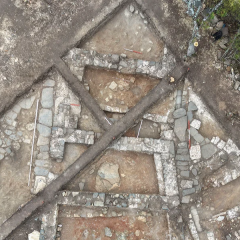
According to Велика українська енциклопедія: The observance falls on 15 August, honoring archaeologists and the value of their work as a historical discipline. Archaeology examines physical remains-settlements, burials, tools, and other material culture-dating from the Paleolithic through the late Middle Ages. By combining excavation with laboratory study, archaeologists investigate these sources and, at the final stage, step into the role of historian to interpret what was unearthed.
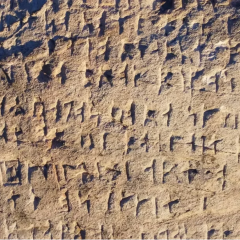
One major breakthrough came in the first half of the nineteenth century, when Egyptian hieroglyphs and Babylonian cuneiform were deciphered, pushing the horizon of recorded history back to 5,000 years. That achievement, together with archaeological fieldwork, opened up humanity’s pre-writing past and enabled a far deeper view of human development. This is a useful reminder that history is not only what has been written down; much of the human story is preserved in the ground.
Material Sources in Archaeology
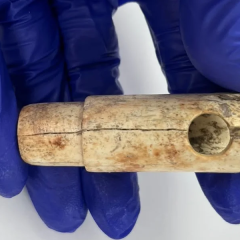
Among the material sources archaeologists study are these categories:
- settlement remains
- burial grounds
- tools
- pottery
- weapons
- works of art
Objects like these help recreate what everyday life looked like in different eras.
Archaeologists’ Day is a chance to stress how much archaeological research contributes to the study of human history and culture. Beyond solving the mysteries of the past, archaeology enriches disciplines such as history, anthropology, and ethnology. The knowledge gained about human origins and evolution strengthens historical identity and offers insight into the social dynamics of today.

Read also