Eurovision 2026 Song Sparks Outrage Over Lyrics in Romania's Entry

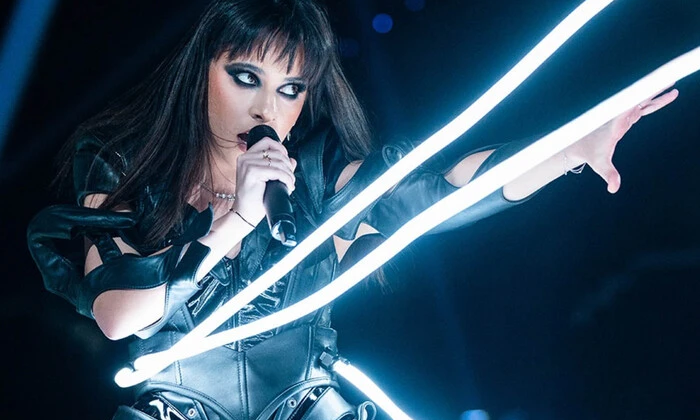
Eurovision 2026: Semi-Final in Vienna
According to Главком: The second semi-final of Eurovision 2026, held in Vienna, featured contestants from Romania and Ukraine. Romania was represented by Alexandra Căpitănescu with the song 'Choke Me'. This track stirred major controversy due to its lyrics, which repeat the phrase 'choke me' approximately 30 times. Critics argued that such repetitive wording may indicate a troubling disregard for the health and well-being of young women. In response to the backlash, Căpitănescu stated that her song carries a different meaning and does not romanticize violence.
Alexandra Căpitănescu is currently pursuing a master's degree in physics at the University of Bucharest. Despite the criticism, she secured a spot in the Eurovision 2026 final. Some of the lyrics in her song include:
- 'hard to breathe'
- 'I want you to choke me'
- 'make my lungs explode'
Ukraine's Representative
Ukraine's representative, Leleka, also performed in the second semi-final. She sang the song 'Ridnym' and advanced to the final, finishing second among the semi-finalists. Leleka received support from Yaroslav Dzhus, who accompanied her on the bandura. Both countries showcased their talents at this international music competition, but the Romanian entry drew more attention due to its controversial lyrics.
The news about these events was published by 'Glavcom' and also referenced by 'The Guardian'. Both performances became a significant part of the competition, yet the scandal surrounding the Romanian song emerged as one of the central discussion points.
The controversy surrounding the song 'Choke Me' highlights the importance of social responsibility for artists, especially in terms of public perception and influence on youth. Criticism of the lyrics sparked a broad debate about the boundaries of creativity and accountability in music. At the same time, Leleka's success demonstrates that Ukrainian music continues to hold a prominent place on the international stage, underscoring the cultural diversity and talents of both nations. Thus, Eurovision 2026 served not only as a platform for musical competition but also as an arena for discussing pressing social issues.
The performances in the second semi-final were not just limited to Romania; Ukraine's Leleka also captivated the audience with her entry, which showcased a markedly different theme. This contrast between the two songs emphasizes the diverse artistic expressions present at Eurovision 2026 and highlights the varying reactions from fans and critics alike.

Read also