Ukrainian Pre-Trial Detention Centers Earn Millions from Paid 'Premium' Cells

Premium Cells in Ukraine's Pre-Trial Detention Centers
According to Главком: Ukraine operates a system of paid cells with improved conditions within its pre-trial detention centers (SIZOs). As of April 10, 2023, there were 89 such cells across the country, with a total capacity for 225 detainees. Since the start of the full-scale invasion, 22 new paid cells accommodating 70 people have been opened. Over a six-year period, 15 detention facilities generated 52 million hryvnias from this service.
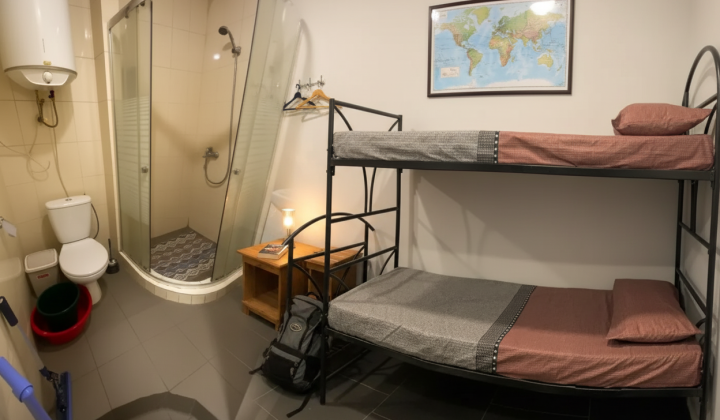
The setup and operation of these premium cells are governed by a decree from the Ministry of Justice dated September 15, 2023. Standard equipment in these cells includes:
- beds
- tables
- wardrobes for clothing and personal items
The paid cells are also furnished with household appliances such as televisions, microwave ovens, refrigerators, and air conditioners. Their plumbing facilities include shower cabins, toilets, and electric water heaters.
Waiting Times and Use of Funds
The waiting time for a paid cell varies by region. As noted by Yevhen Pikalov,
“sometimes a cell with improved conditions can be obtained within one or two days. The maximum waiting time for a paid cell, for example, in the Khmelnytskyi and Chernihiv pre-trial detention centers, is 30 or more days”
. In the early months of 2026, one two-person cell was opened at the Poltava Correctional Colony No. 23.
Revenue from the paid cells is directed toward repairing standard cells, renovating food service areas, setting up facilities for backup food preparation during blackouts, and covering utility costs. This system, initiated by Ukraine's Ministry of Justice in May 2020, represents a gradual evolution in the country's approach to detention conditions.
The development of paid cells in Ukraine's pre-trial detention centers reflects shifting attitudes toward the treatment of detainees. Their operation and specifications are regulated at the state level, indicating an effort to improve conditions. However, questions remain about the equity of this system, as the cost of staying in such cells is likely prohibitive for many inmates, creating a two-tiered environment within the detention system.
As Ukraine continues to modernize its public services, the recent launch of the ability to access parking fines through the Diia app in seven cities demonstrates a commitment to enhancing convenience for citizens. This digital initiative aligns with the ongoing reforms in various sectors, including the management of pre-trial detention facilities, showcasing a broader trend toward improved service delivery across the country.

Read also