How Employee Turnover Costs Companies Up to 400% of Annual Salary and Ways to Cut These Expenses


The Financial Impact of Employee Turnover
According to Achievers: Employee turnover imposes both visible and hidden costs that can significantly affect a company’s financial health. Direct expenses include recruiting, hiring, onboarding, and training new staff, as well as the cost of temporary workers. Indirect costs-often less obvious-encompass productivity losses, managers’ time spent onboarding, loss of institutional knowledge, employee burnout, workload redistribution, and secondary turnover.
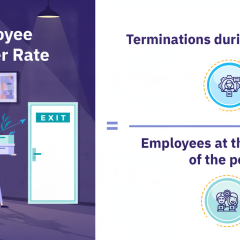
The cost of turnover varies greatly depending on the role’s specialization. Estimates indicate turnover can cost anywhere from 30% to 400% of an employee’s annual salary. Entry-level positions typically incur costs between 30-50%, mid-level roles can exceed 150%, and senior or highly specialized employees may reach costs near 400% of their yearly pay. Turnover rate is calculated by dividing the number of separations during a period by the average number of employees in that period, then multiplying by 100.
The Benefits of Reducing Turnover
According to the 2026 State of Recognition Report, 25% of employees believe that receiving acknowledgment for their work helps alleviate stress related to staffing shortages. Lowering turnover not only improves morale but also delivers substantial economic benefits. The Gallup State of the Global Workplace 2026 Report reveals that disengagement cost the global economy approximately $10 trillion in lost productivity in 2025 alone.
One compelling example is the nonprofit organization Wesley, which managed to slash its turnover rate from 67.5% to 34.5% within a year by implementing Achievers' Inspire program. Employee sense of belonging increased from 57.4 to 72.2 during this time. Studies show employees who receive weekly recognition are 17 times more likely to see career advancement within their company, while those who get regular coaching aimed at improving performance account for 19% of the workforce.
To effectively reduce turnover-related costs, companies should consider these strategies:
- Set weekly recognition goals for managers;
- Provide meaningful rewards;
- Equip managers with structured coaching frameworks;
- Hold monthly development conversations;
- Communicate staffing changes before workload adjustments;
- Track the full cost of each employee departure.
Comprehensive turnover cost accounting should include days a position remains vacant, recruiting and hiring expenses, managerial hours spent on onboarding, overtime and temporary staff costs, and the time new hires take to reach full productivity.
Understanding the true expenses tied to employee turnover and adopting effective recognition programs can dramatically lower these costs while boosting overall company performance. Reducing turnover not only improves financial outcomes but also fosters a positive workplace culture where employees feel valued and empowered to grow. This, in turn, drives higher productivity and organizational efficiency.
Understanding the financial implications of employee turnover is crucial for businesses across various sectors. For instance, the healthcare, finance, and manufacturing industries face unique challenges that can exacerbate costs and productivity losses. To explore effective strategies for minimizing these impacts, consider how companies can implement targeted approaches to enhance employee retention and boost overall performance. Learn more about this in our detailed analysis of reducing turnover-related expenses in key industries.

Read also