Border Closures Turn Ukrainian Citizens Into Suspects, Political Analyst Warns

State-Society Relations Under Wartime Conditions
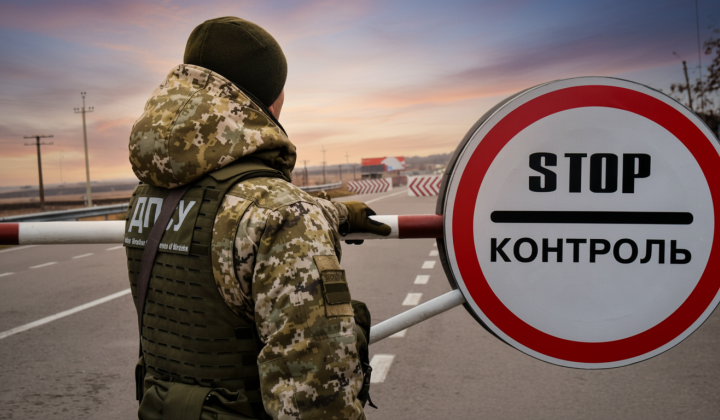
According to ХВИЛЯ: Since Russia launched its full-scale invasion of Ukraine in February 2022, the government's decision to seal the country's borders has fundamentally reshaped the dynamic between the state and its people. According to political analyst Yuriy Romanenko, this measure has effectively placed ordinary citizens in the position of being viewed as potential wrongdoers. Speaking during a broadcast, Romanenko argued that the closure has generated a palpable tension between the public and authorities.
The wartime border shutdown, he explained, forces the state to treat its own population as if they are likely to shirk their duties.
“Closing the borders changed the nature of the relationship with the state, because it put citizens in the status of suspects-suspected of fleeing their responsibilities,” Romanenko stated.
A Contrast With Other Nations
Drawing a comparison, Romanenko pointed to Israel as a country that maintains open borders even amid intense conflict.
“Even during a fierce war, Israel keeps its borders open, allowing individuals to choose their own destiny, which in turn forces the state to value them,” he emphasized.
He described this approach as a crucial safeguard against potential state repression.
Romanenko also expressed confidence that a large portion of the population would have stayed home even without travel restrictions. “I believe that twenty or thirty million people would definitely not have left, and a significant number of those who did go would eventually return to their homeland,” he noted.
In this context, Ukraine's border closure has become a pivotal factor affecting citizen-state relations, prompting a necessary reexamination of how security measures and human rights are balanced.
This situation highlights the complexity of state-society interactions during wartime. While travel restrictions may be justified on security grounds, they also carry inherent risks to civil liberties. Examining how other countries, such as Israel, manage the trade-off between national defense and freedom of movement could inform ongoing debates about finding the right equilibrium.
This evolving dynamic between the state and its citizens raises concerns that echo historical events. As political analyst Romanenko warns, the risk of internal conflict could become a reality if tensions continue to escalate. For a deeper understanding of these parallels with past civil unrest, including significant moments from 1917, see our detailed analysis on the potential for civil strife.

Read also