Polish Politician Buys Medical Kits for Russian Army and Urges Their Transfer

Humanitarian Aid for Russian Military Personnel
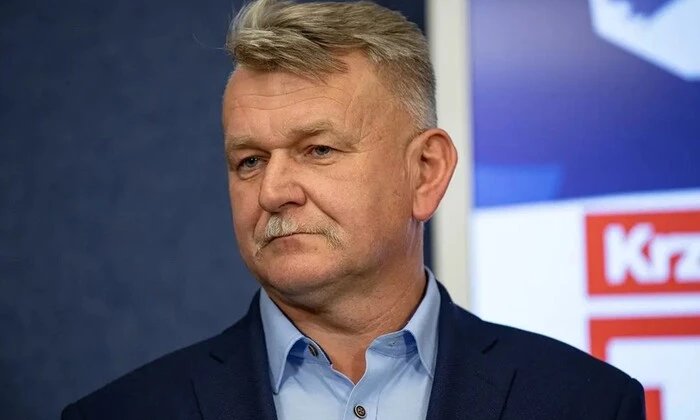
According to Главком: A Polish politician named Krzysztof Tolwiński has purchased and is now calling for the delivery of humanitarian aid to soldiers of the Russian Federation’s armed forces. In a video statement released after meeting with representatives of pro-government Belarusian political groups, Tolwiński displayed 20 first-aid kits and appealed to Belarusian politician Oleg Gaidukevich to send these supplies to the Russian side. The kits were bought by Tolwiński’s associates, and this move has sparked widespread controversy.
Anti-Ukrainian Activities
Tolwiński, who leads the Polish political party Front, is also known for his anti-Ukrainian activities. In April 2026, the District Court in Białystok found him guilty of publicly inciting hatred and insulting Ukrainians through statements posted on social media in 2022. The court sentenced him to five months of restricted liberty with mandatory community service. In October 2023, he organized a picket outside the office of the Belarusian House organization in Warsaw, where he publicly claimed that this group was allegedly training terrorists.
Tolwiński regularly travels to Belarus and appears on state-run Belarusian television channels, openly endorsing President Alexander Lukashenko’s policies and justifying Russia’s actions. In his statements, he has repeatedly condemned the Polish government’s decisions to provide military, financial, and humanitarian aid to Ukraine.
“We wish the boys, the Russian soldiers in the trenches, that they never have to use [the kits]. But if something happens, they can always count on our help.” - Krzysztof Tolwiński
These actions by Tolwiński raise questions about his political stance and cause public concern, as he continues to support countries that are pursuing an aggressive policy toward Ukraine.
The statements and actions of Krzysztof Tolwiński reveal a complex political situation in Poland, where some politicians try to balance domestic politics with external challenges. His support for Russia and Belarus, along with anti-Ukrainian rhetoric, could have a broad impact on voters and society at large. This case illustrates how individual political figures can shape perceptions of international relations in the region, requiring careful monitoring and analysis by experts and policymakers.
These developments come amid a broader context of rising tensions in Poland regarding its stance towards Ukraine. Recently, Tusk acknowledged increasing anti-Ukrainian sentiments, particularly following controversial actions by prominent figures. This shift in public sentiment reflects the complexities of Poland's political landscape and the challenges faced by leaders navigating these issues.

Read also