Over Three Decades of Research Reveal No Impact of High Physical Activity on Lifespan or Fertility in Mice

Investigating Animal Physical Activity
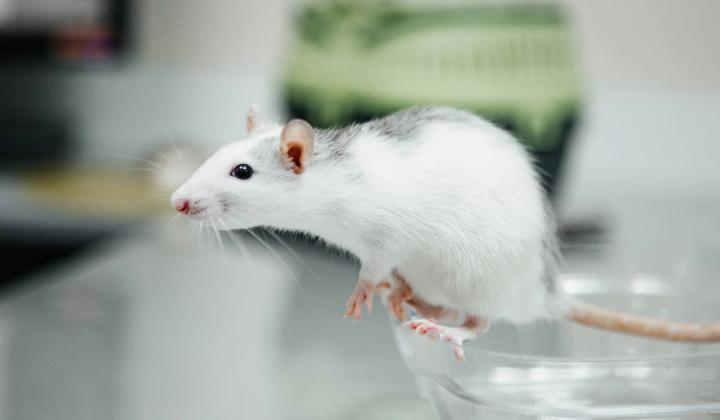
According to НВ — Техно: A long-term study at the University of California, Riverside has demonstrated that exceptionally active animals do not experience shortened lifespans or reduced fertility. Spanning more than 30 years, this selective breeding experiment challenges traditional evolutionary biology theories that suggest organisms face energy limitations affecting survival and reproduction.
The research involved comparing 100 pairs of standard laboratory mice with a specially bred "super-runner" line, developed since 1993 with funding from the U.S. National Science Foundation. These "super-runner" mice can run three times the daily distance of their regular counterparts when provided access to running wheels. Even without wheels, under normal laboratory conditions, the super-runners remained noticeably more active.
Key Findings
Led by Honorary Professor Theodore Garland and graduate student Natalie Whitehead, the team tracked the lifespan and reproductive output of each male and female mouse from birth to weaning. Their analysis revealed that heightened physical activity did not negatively affect either longevity or fertility, provided that food and water were abundantly available.
“While these mice lived in tightly controlled lab settings, human athletes’ lifespans are influenced by a complex mix of genetics, education, social environment, and culture,” noted Theodore Garland.
This breakthrough opens new avenues for understanding how physical activity influences aging and reproductive health across species. It deepens insights into the role of exercise in evolutionary biology and may have significant implications for health and longevity research in both animals and humans.
Given the potential for these findings to inspire further studies, they also highlight the importance of examining how various factors interact to affect lifespan and well-being in diverse organisms. Continued research is essential to determine how these principles might apply broadly across the animal kingdom.
As research continues to explore the complex interactions between physical activity and biological outcomes, it is also essential to consider how a mother's age can impact her offspring. Recent findings indicate that maternal age leaves a significant biological imprint on descendants, even without alterations in DNA sequences. To delve deeper into this intriguing relationship, you can read more about the implications of maternal age on progeny here.

Read also