Red Paint Drone Attack Targets Russian Embassy in Sweden

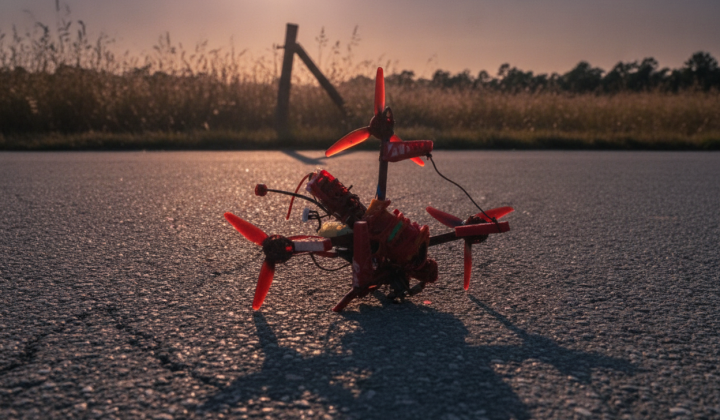
Drones Strike Russian Embassy in Sweden in Latest Incident
According to Главком: In the early hours of July 2, 2026, at around 2:00 AM, the Russian embassy in Sweden came under attack from unmanned aerial vehicles. One quadcopter dropped a container filled with red paint onto the diplomatic compound. A second drone, carrying what appeared to be a simulated improvised explosive device, crashed onto the embassy grounds-reportedly landing dangerously close to the building itself.
Moscow has formally responded to the event, invoking the 1961 Vienna Convention on Diplomatic Relations. In an official statement, the embassy criticized Swedish authorities, saying:
“In practice, Swedish law enforcement merely records attacks on the Russian embassy without taking meaningful action. Despite dozens of such provocations over more than two years, no investigation has yielded any results.”
This incident is part of a broader and ongoing pattern of hostility. Investigations into attacks on the Russian diplomatic mission have been underway for over two years, with the embassy noting that the number of assaults has now reached dozens-underscoring the severity of the situation. These repeated provocations against diplomatic facilities are a matter of deep concern for the Russian side.
Rising Diplomatic Tensions
The targeting of diplomatic missions-particularly the Russian embassy in Sweden-highlights the growing friction between Russia and Western nations. With dozens of similar incidents recorded, it points to what Moscow views as a systematic campaign against Russian diplomats in Europe. How Russia responds to these provocations could have significant implications for bilateral diplomatic relations, as the security of embassy premises remains a cornerstone of international law.
The recent attack on the Russian embassy is not an isolated incident but part of a broader trend of escalating tensions in the region. This follows a series of confrontations, including the recent occurrences where Swedish fighter jets intercepted Russian bombers twice in one day, indicating a significant shift in military engagement and diplomatic relations. Such developments raise questions about the future of international diplomacy and security in Europe.

Read also