Deadly Fire Destroys 'Korolivskyi Smak' Plant Following Russian Strike


Fire Devastates 'Korolivskyi Smak' Facility After Russian Attack
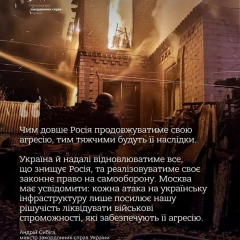
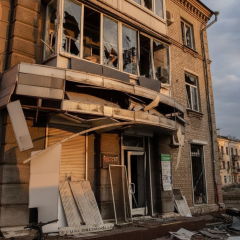
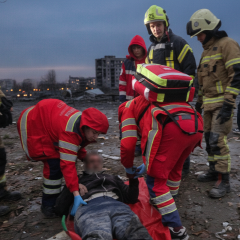
According to Рубрика — Суспільство: On November 17, the 'Korolivskyi Smak' production site was engulfed in a fire triggered by a Russian assault. This catastrophic event obliterated the company's manufacturing infrastructure, inventory, and buildings. Tragically, the blaze claimed one life. Due to extensive damage, the company has been forced to halt all operations indefinitely.
Prior to this incident, 'Korolivskyi Smak' had already announced a suspension of production, ceased purchasing all types of oilseed crops, and initiated staff layoffs. These measures were driven by ongoing power outages and the persistent threat of missile and drone attacks. Gennadiy Tertichny, a company representative, stated:
“Despite the firefighters’ relentless efforts, the blaze could not be contained.” – Gennadiy Tertichny
The company extended its deepest condolences to the family and friends of the deceased, emphasizing that “the greatest loss in this tragedy is human life. Material damages cannot compare to that.”
Oil Industry Faces Growing Challenges
Meanwhile, Ukraine’s largest sunflower oil producer and exporter, Kernel, has also suspended operations across all of its oil extraction plants. This decision comes in response to intensified Russian attacks targeting the country’s food industry infrastructure, including Kernel’s production facilities.
The oil market remains under severe strain as Ukrainian processing plants pause activities, raising concerns over the sufficiency of domestic supplies. According to the National Bank of Ukraine, Russian strikes have destroyed 800,000 square meters of warehouse space in just three months. The ongoing damage to food production sites continues to deliver a heavy blow to the national economy.
The fire at 'Korolivskyi Smak' and Kernel’s operational halt highlight the significant obstacles confronting Ukraine's food sector amid the conflict. The loss of production capacity threatens not only these companies but also the availability of essential goods for the local market, posing risks to the country's food security. Efforts to restore manufacturing capabilities and stabilize the agricultural supply chain are crucial to mitigating the impact of these crises.
The recent fire at 'Korolivskyi Smak' is part of a troubling trend, as evidenced by another incident where Russian forces targeted food production facilities. In a separate attack, the 'Titan' food plant in the Odesa region faced a devastating strike, leading to significant damage to its administrative building. Such assaults on Ukraine’s food industry have become increasingly common, raising alarms about the future of agricultural operations and food security in the region. For more details on this alarming pattern of attacks, visit the latest report on the 'Titan' facility.

Read also