Lithuanian Prime Minister Refuses to Resign Following Leak of 600,000 Records

Data Breach at Lithuania’s Registry Center Sparks Political Crisis
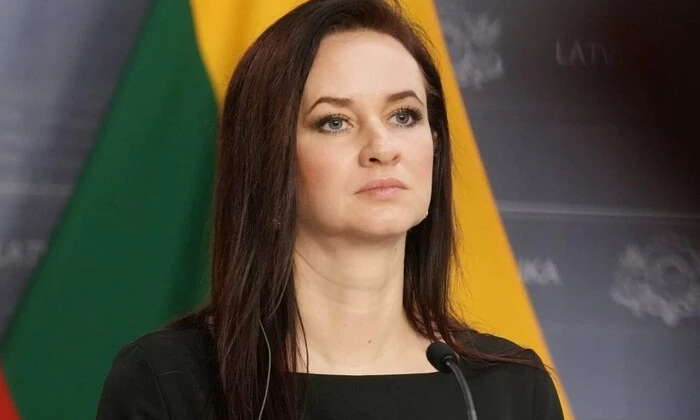
According to Главком: Lithuania’s Prime Minister Ingrida Šimonytė has made it clear she will not step down in the wake of a major data leak at the state-run Registry Center. She stated that resigning would be “the best gift” for the country’s adversaries. The breach has raised serious concerns among Lithuanian authorities, with preliminary reports indicating that over 600,000 sensitive records were copied without authorization.
An investigation is now underway, led by the Lithuanian Criminal Police Bureau in coordination with the Ministry of the Interior, the Ministry of Justice, the Ministry of Economy and Innovation, and the State Security Department. According to law enforcement, cybercriminals gained unauthorized access to the Registry Center’s databases from both foreign locations and internal systems within Lithuanian institutions.
The parliamentary opposition has called for the resignation of the government and relevant ministers. However, Šimonytė emphasized the need to address the problem rather than evade responsibility. She stated:
“We are not shirking responsibility. But today it is very important to stress that the government should not run away from problems-it must solve them.” - Ingrida Šimonytė
International Fallout and Reactions
Russian intelligence services are suspected of being behind the theft of this data. The incident has further strained relations between Russia and the Baltic states, especially as Moscow has threatened to take Latvia, Lithuania, and Estonia to the International Court of Justice over alleged bans on the Russian language and claims of Russophobia. Meanwhile, Kaupo Rosin, head of Estonia’s Foreign Intelligence Service, suggested that Vladimir Putin may lose his ability to negotiate from a position of strength within the next four to five months.
The data leak from Lithuania’s Registry Center has generated significant public and political backlash. All subsequent actions by the government and law enforcement agencies are now under close scrutiny from both domestic and international observers.
This scandal and the resulting data breach could have far-reaching consequences for the security of information systems in Lithuania, intensifying discussions about cybersecurity across the region. Amid rising tensions between Russia and the Baltic nations, such incidents highlight the critical need for interagency cooperation to prevent future threats. Additionally, the opposition’s response and public reaction to the government’s handling of the crisis may shape the country’s political landscape, especially given mounting calls for resignations and efforts to restore trust in state institutions.
The ongoing political turmoil in Lithuania is further complicated by international tensions, as the country recently summoned the Belarusian chargé d'affaires due to a separate incident involving a weather balloon incursion. This move highlights the broader regional security concerns that Lithuania faces amid the current crisis. For more on this diplomatic development and its implications, read about the Lithuanian response to Belarusian provocations.

Read also