Estonia's President: The Window to Force Russia Into Talks Closed in 2022

Opening the Door to Negotiations
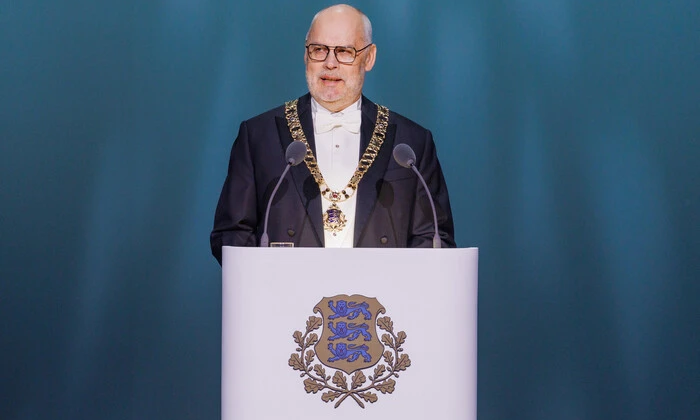
According to Главком: Estonian President Alar Karis believes that a critical opportunity to compel Russia into negotiations was missed in 2022, following the battle for Kyiv. He dismissed any claims that Ukraine was being asked to make territorial concessions. According to Karis, decisions regarding territorial integrity and the format of any talks are solely for Ukraine to determine.
Early 2026 Developments
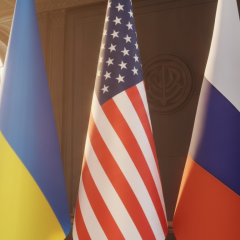
By early 2026, efforts were underway for a trilateral dialogue involving Ukraine, the United States, and Russia. However, these discussions stalled as international attention shifted toward the Middle East, particularly U.S. and Israeli military operations in Iran. The status of Donbas remained the primary sticking point in the negotiations.
Kyrylo Budanov, head of the Presidential Office, and Ukrainian President Volodymyr Zelenskyy both confirmed Ukraine's willingness to engage in dialogue on any neutral platform, excluding Russian or Belarusian territory. Alar Karis stressed the need for the EU to develop its own strategies regarding Russia, noting that the European Union has already invested heavily in Ukraine.
'These plans must start being developed right now, because processes within the EU take a lot of time,' - Alar Karis
Karis's comments underscore the ongoing importance of Ukraine's territorial integrity and the necessity of sustained international support. Despite a lack of progress in talks, the Ukrainian leadership's openness to dialogue signals a continued commitment to a peaceful resolution. The European Union's involvement in crafting policies toward Russia could prove pivotal in future diplomatic efforts.
As the dialogue between Ukraine and Russia remains complex, Zelenskyy's stipulations for any potential meeting highlight the geopolitical intricacies at play. His conditions emphasize Ukraine's stance on maintaining territorial integrity while navigating the delicate balance of international diplomacy. This context further illustrates the challenges faced in fostering meaningful negotiations in the region.

Read also