July 8 Marks Prokopiy Day: Key Restrictions and Traditions You Should Know

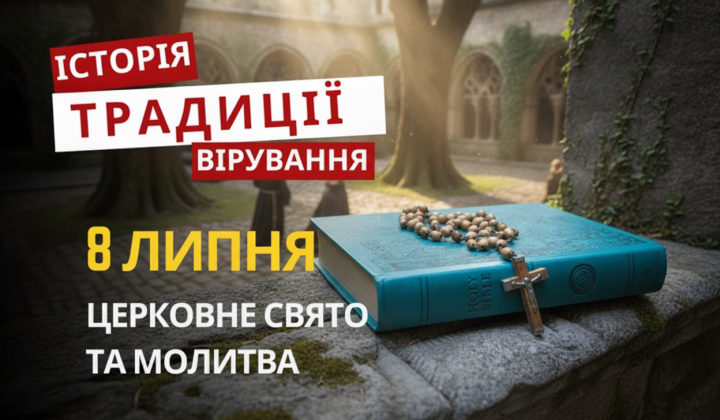
Feast of Saint Procopius of Caesarea and the Icon of the Mother of God
According to Главком: On July 8, the Orthodox Church of Ukraine commemorates the memory of the Great Martyr Procopius of Caesarea and the Icon of the Mother of God known as the Hodegetria of Blachernae-Kazan. According to the New Julian calendar, this date holds special significance for believers, blending hagiography with enduring folk customs.
Born Neanias in Jerusalem to a pagan family, Procopius of Caesarea served under Emperor Diocletian. He was dispatched to Alexandria to persecute Christians, but after a vision of Jesus Christ, he converted to Christianity and ultimately suffered martyrdom. His feast day invites the faithful to reflect on his sacrifice and steadfast faith.
Icon of the Mother of God and Folk Traditions
The Icon of the Mother of God Hodegetria of Blachernae-Kazan combines elements from both the Blachernae and Kazan iconographic traditions. The miraculous discovery of the Kazan Icon occurred after a fire in 1579. The term "Hodegetria" translates to "She Who Shows the Way," underscoring the icon's role in guiding believers spiritually.
In folk culture, this celebration is also called Prokopiy Day or Procopius the Reaper. Traditionally, it marks the start of the rye harvest. The first sheaf was tied with an embroidered towel and placed in the corner of honor (pokutia), where it was kept until the Feast of the Intercession (Pokrova). Several folk signs are observed on this day:
- If the sun shines brightly until noon, the first half of August will be dry and hot;
- Rain after midday promises prolonged bad weather;
- A lack of precipitation on Prokopiy Day predicts a downpour on Elijah's Day, celebrated on July 20;
- Restless bees may indicate intensifying heat;
- Widespread ripeness of blueberries in the forest signals that rye is ready for harvest, promising a bountiful yield.
According to folk superstitions, certain prohibitions apply on this day. Activities to avoid include swimming in open water, embarking on long journeys, starting major new projects (except for harvesting), and being lazy. These restrictions emphasize the importance of fieldwork, gardening, housecleaning, laundry, and helping relatives and those in need.
A folk custom involves tying the first sheaf with a red ribbon while wishing to always have a partner, reflecting the deep connection between religious beliefs and daily life. Thus, July 8 becomes not only a religious observance but also a symbol of unity between the spiritual and the earthly in people's lives.
The Feast of Procopius of Caesarea and the Icon of the Mother of God Hodegetria of Blachernae-Kazan holds an important place in Orthodox tradition, highlighting the spiritual value of self-sacrifice and faith. At the same time, the folk customs associated with this day reflect the deep agricultural traditions of the Ukrainian people, who continue to honor the bond between religion and nature. This day serves as a reminder of the importance of working the land-especially relevant during harvest time-and of preserving traditions that unite generations.
As the faithful honor Prokopiy Day on July 8, it is also essential to reflect on the traditions surrounding other significant martyr commemorations in the church calendar. For instance, just a few days earlier, on July 3, the Church commemorates Martyr Hyacinth and two saints named Anatoly. Understanding these observances allows believers to appreciate the rich tapestry of faith and the sacrifices made by these holy figures. To learn more about the significance of Martyr Hyacinth and the associated traditions, read our detailed article here.

Read also