Deadly H5N1 Avian Flu Mutation Poses Serious Threat to Australia’s Wildlife

The Rising Danger of H5N1 Avian Influenza to Wild Animals
According to НВ — Техно: On September 7, 2023, researchers from Deakin University's Centre for Marine Science revealed alarming findings about the H5N1 avian influenza virus threatening Australia's natural fauna. Previously considered low risk, the virus has undergone mutations resulting in a highly lethal strain. This evolution is causing devastating impacts on various bird species and marine mammals, as pathogenic H5N1 variants continue to wreak havoc on wildlife populations globally.
Species Most at Risk
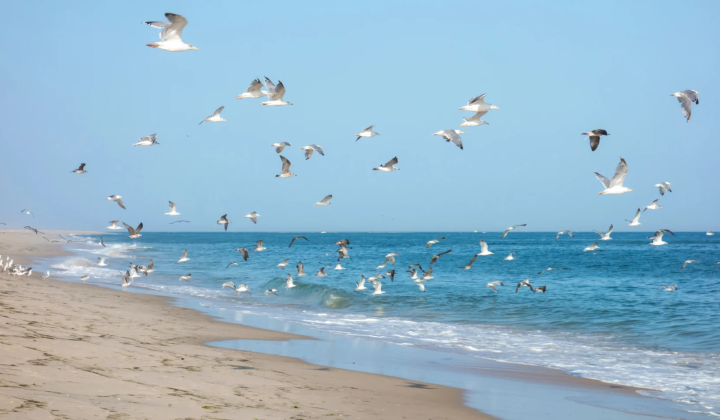
Colonial seabirds are particularly vulnerable to this mutated virus, including:
- Australian terns
- waterfowl ducks
- birds of prey
- crows
- magpies
In Australia, large-scale die-offs of large terns have been recorded, indicating the virus's transmission from oceanic storm-petrels to coastal wildlife. Similar outbreaks have been reported elsewhere, such as mass mortality among sea lions in South America. In Australia, the virus’s spread has also extended to seals and dolphins.
Volunteers play a crucial role in monitoring animal deaths. The public is urged to avoid contact with sick or deceased wildlife and to immediately report sightings to a 24/7 emergency hotline staffed by specialists equipped with protective gear. As Sarah Riding explains,
“It’s easier to identify which birds are unlikely to be affected by the H5N1 strain. However, specific behavioral traits significantly increase the infection risks for certain species.”
This outbreak highlights the critical need for ongoing wildlife surveillance and protection efforts. The persistence of H5N1 poses serious threats not only to biodiversity but also to economic sectors, as the health of wild animals directly influences agriculture and ecosystem stability. Prompt intervention and adherence to safety protocols are essential to halt further virus spread and safeguard vulnerable species.
The emergence of this deadly H5N1 strain raises critical questions about the potential pathways for its spread across Australia. Understanding these transmission routes is essential for developing effective response strategies. For a deeper insight into how avian influenza could proliferate in the region, you can explore four possible scenarios for avian influenza spread in Australia.

Read also