Putin Eyes a 'Window of Opportunity' in 2025-2026: Is Europe Ready for a NATO Test?

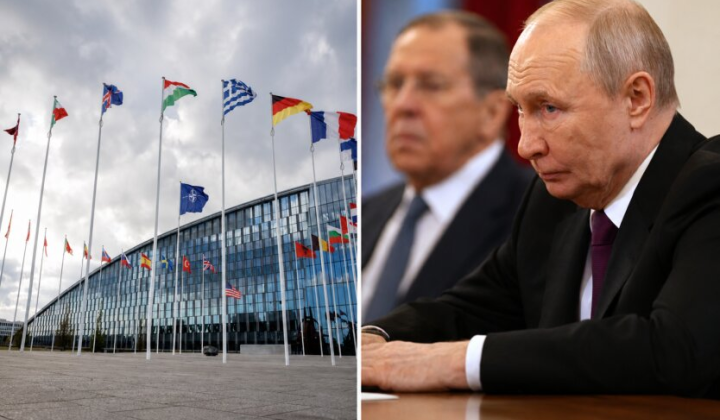
Growing Anxiety Among European Officials
According to ХВИЛЯ: European officials are increasingly worried that Russian President Vladimir Putin may view the 2025-2026 timeframe as a prime moment to challenge NATO. This concern stems from weakening transatlantic ties and the European Union’s incomplete military modernization. Discussions highlight the risk of hybrid attacks by Russia, particularly in the Baltic Sea and the Arctic, especially after the recent U.S. decision to withdraw 5,000 troops from Germany. The geopolitical landscape is shifting, and Europe’s defense posture is under scrutiny as these developments unfold.
Expert Comments and Perspectives
“Something could happen very soon-there’s a Russian window of opportunity.”
Mika Aaltola, Finnish Member of the European Parliament
He further noted, 'The U.S. is pulling out of Europe, transatlantic relations are in ruins, and the EU isn’t fully ready to take over these responsibilities.' According to Aaltola, a potential strike could involve drones, an operation in the Baltic Sea, or something in the Arctic-requiring minimal resources: 'A drone attack doesn’t need troops or border crossings.'
Some European politicians are alarmed by the security implications. Gabrielius Landsbergis, former Lithuanian Foreign Minister, pointed to the risk of conflict escalation: 'escalating horizontally against another neighbor, trying to avoid humiliating negotiations with Ukraine.' Donald Tusk, Poland’s Prime Minister, stressed that 'the greatest threat to the transatlantic community is the current disintegration of our alliance.'
However, not all European capitals share this sense of urgency. Alar Karis, President of Estonia, remarked that 'Russia is very busy in Ukraine. I don’t think it has enough resources.' Ville Niinistö, head of the European Parliament’s delegation for relations with Russia, noted that 'Russia is not all-powerful,' but warned that 'desperation is also dangerous.' As one unnamed senior European defense official put it, 'Putin’s suicidal trend has limits, especially when there’s no obvious and immediate gain.'
Overall, European officials agree on the need to avoid creating a false sense of security, since 'that’s actually the worst thing you can create in democratic countries,' as Mika Aaltola observed. The U.S. midterm elections are set for November 2025, with the next presidential election in 2028-events that could further reshape international policy.
Tensions in Europe remain high, as Russia’s actions could have serious consequences for regional security. While some countries voice concerns over potential Russian aggression, others believe Moscow’s resources are stretched thin due to its commitments in Ukraine. This divide underscores the complexity of Europe’s security architecture amid global shifts in politics and military strategy. Maintaining the transatlantic alliance and ensuring EU readiness for emerging challenges is becoming increasingly urgent, especially with upcoming U.S. elections and potential changes in international relations.
As concerns about NATO’s readiness intensify, it's crucial to understand the broader implications of Russia's strategic maneuvers. Recent analyses suggest that Moscow's actions could signal a calculated test of NATO's resolve, raising questions about the alliance's future stability and the responses from European leaders amidst shifting geopolitical dynamics.

Read also