Putin's Military Shake-Up: National Guard Transferred to Army, Emergency Ministry Faces Dissolution

Centralizing Command: National Guard and Emergency Ministry Restructured
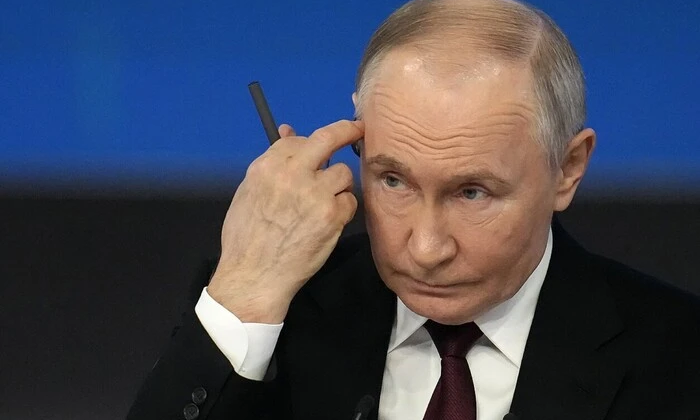
According to Главком: Russian President Vladimir Putin has signed a decree transferring command of the National Guard, or Rosgvardiya, to the army. This move coincides with plans to potentially dissolve the Ministry of Emergency Situations (MES). A significant portion of MES personnel are expected to be absorbed into the Rosgvardiya, marking a major reorganization of the nation's security and emergency response apparatus. Both bodies will now fall under the direct authority of Chief of the General Staff of the Russian Armed Forces, Valery Gerasimov.
These structural changes follow the internal unrest sparked by the Wagner Group's actions in June 2023. Analysts suggest the consolidation indicates an effort to tighten control over Russia's security forces and streamline their command in response to domestic challenges.
Proposed Economic Partnership with the United States
In a separate development, the Kremlin has circulated a document among senior officials outlining proposals for an economic partnership with the administration of U.S. President Donald Trump. The document details potential cooperation in several key areas:
- Advocacy for fossil fuels;
- Joint investments in natural gas;
- Offshore oil;
- Critical raw materials.
Russia is proposing a large-scale economic partnership with the United States that would utilize the U.S. dollar, signaling a desire to strengthen economic ties despite existing geopolitical tensions. This push for closer economic cooperation comes at a time when Russia faces significant international sanctions.
The restructuring of Russia's security ministries appears to be a Kremlin effort to centralize control in the face of internal security challenges. Concurrently, the economic partnership proposals to the U.S. may represent an attempt to improve international relations and attract investment, navigating around current sanctions and diplomatic strain. Together, these moves highlight Russia's attempts to adapt both its domestic security architecture and its foreign economic policy to a new and more challenging environment.

Read also