Putin Signs Law Granting Foreign Fighters in Russian Army Immunity from Extradition

New Law Shields Foreign Military Personnel from Extradition
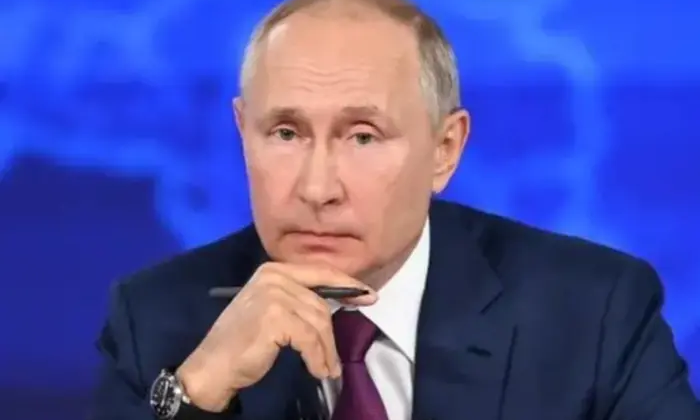
According to Главком: Russian President Vladimir Putin has enacted legislation that prohibits the extradition of foreign nationals serving in the Russian Armed Forces to other countries. This new law guarantees these individuals protection from having their residency permits revoked and prevents the shortening of their permitted stay in Russia. These measures form part of a Kremlin strategy aimed at securing a stable mobilization resource for its military efforts.
Higher Education Transformed into a Mobilization Tool
Concurrently, Moscow is repurposing higher education as a tool for military recruitment. Students at prestigious universities are being presented with an ultimatum: either face expulsion or join military units. This policy has caused significant concern among students and their parents, highlighting increased pressure on young people to undertake military service. This move comes as Russia continues its large-scale invasion of Ukraine, now in its third year.
Furthermore, the Russian army is reportedly losing approximately 35,000 personnel each month, indicating a critical shortage of available mobilization resources within the country. As noted by the Center for Countering Disinformation:
"Effectively, against the backdrop of a critical deficit in mobilization resources, the Kremlin is officially transforming its army into a safe haven for criminals from around the world, granting immunity in exchange for participation in a war of aggression."
This situation raises serious questions about the future of the Russian military and the state's defense policy.
The signing of the law shielding foreign fighters and the conversion of higher education into a mobilization instrument signal significant shifts in Russia's military strategy. Given the substantial troop losses, these steps appear to be attempts by the Kremlin to ensure the stability of its forces and compensate for numerical deficits. However, such actions also underscore the immense pressure being placed on youth and society at large, which could have long-term consequences for the country's demographic situation and social stability.

Read also