Putin Warns Armenia of 14% GDP Drop If It Leaves the Eurasian Economic Union

Economic Fallout of Armenia Leaving the EAEU
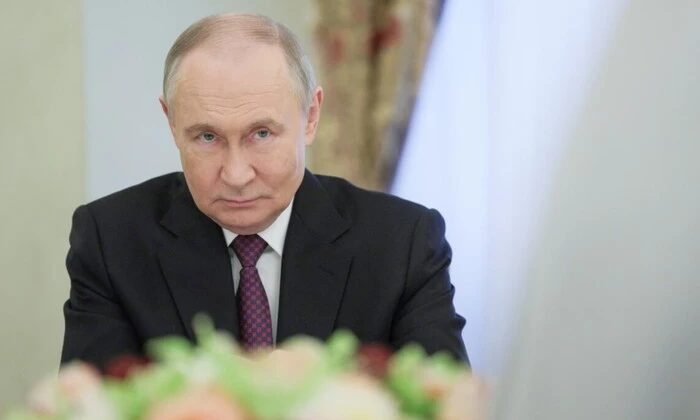
According to Главком: Russian President Vladimir Putin has cautioned Armenia about severe economic repercussions should it exit the Eurasian Economic Union (EAEU). He highlighted that such a move could trigger major financial and economic hardships for the country. Putin emphasized that the regulatory frameworks of the European Union and the EAEU are fundamentally different, which could complicate Armenia’s economic ties with Russia.
The average energy price in Europe stands at around 600 euros, whereas the tariff for EAEU member states is roughly 150 euros. Total Russian investments in Armenia’s economy have reached $4.9 billion, with 86% being direct investments. According to projections, the combined effects of leaving the EAEU could cause Armenia’s GDP to decline by at least 14%. Meanwhile, Russia’s economy is expected to grow by 10.3% from 2023 to 2025, and the EAEU’s economy by 11.4%. In comparison, the European Union’s economic growth over the same period is forecast at 3%.
Political Context and Parliamentary Elections
Against the backdrop of Armenia’s political landscape, parliamentary elections are scheduled for June 7. The Kremlin is exploring various tools to influence these elections, including a large-scale disinformation campaign to support pro-Russian candidates. Ahead of the vote, U.S. President Donald Trump publicly backed Armenian Prime Minister Nikol Pashinyan, calling him a 'great friend and outstanding leader' and noting that he is 'making his country strong, prosperous, and extremely secure.'
Potential consequences of Armenia leaving the EAEU also include:
- suspension of free trade agreements;
- cancellation of mutual recognition of sanitary and technical regulations, complicating the sale of Armenian goods in the Russian market;
- revision of residency rules for Armenian labor migrants in Russia, potentially requiring mandatory work patents;
- reinstatement of a permit-based system for road freight carriers;
- increase in railway tariffs to standard rates applied to CIS countries.
Armenia’s exit from the EAEU could significantly impact its economic situation, particularly its ability to secure favorable energy tariffs and maintain stable foreign trade. The political dynamics surrounding the parliamentary elections may also intensify internal conflicts and invite external interference, especially from Russia and the United States, further complicating the regional landscape. Therefore, Armenia must carefully weigh all possible consequences before making key decisions in foreign policy and the economy.
As tensions rise between Armenia and Russia, the potential fallout from Armenia's pivot towards the EU could further complicate its economic landscape. Recent warnings from Moscow highlight the risks associated with this shift, including possible cancellations of existing agreements that may adversely affect trade. For a deeper understanding of the implications of Armenia's EU alignment, read more about the warnings from Moscow regarding deal cancellations.

Read also