Kremlin Distances Itself from Middle East Conflict, Says Russia Cannot End the War

Russia's Stance on the Middle East Conflict
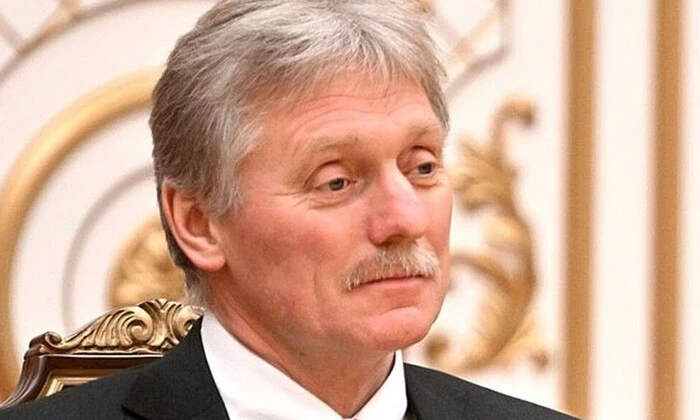
According to Главком: Dmitry Peskov, the spokesperson for the Russian President, stated that the war in the Middle East is not Russia's war and that the country lacks the ability to stop it. Peskov emphasized that Moscow has consistently warned that any war could lead to regional destabilization.
"The ongoing war is not our war. We declared our position from the very beginning that any war could lead to the destabilization of the region. And that is exactly what we are witnessing. We see a constantly growing number of countries being drawn into this war,"
he noted. This statement comes as Russia seeks to maintain its influence while navigating complex global alliances.
Russian Actions and Impact on International Trade
Peskov further remarked that Russia must act in accordance with its own interests.
"We must secure advantages for ourselves wherever possible. However cynical that may sound. Are we capable of stopping this war? No, we are not. It can only be stopped by those who started it,"
he added.
In a related development, tankers from Russia's so-called 'shadow fleet' have begun avoiding the Mediterranean Sea. This shift follows an attack on one such vessel near Malta in early March, which was carrying sanctioned Russian liquefied natural gas (LNG). The incident has caused at least three LNG carriers to alter their routes. These shadow fleet vessels, which transport Russian LNG, are now steering clear of perceived danger zones, indicating a potential recalibration of their operations in international waters.
Peskov's comments underscore Russia's attempt to publicly distance itself from the Middle East conflict while asserting its commitment to pursuing national interests. The reduced activity of Russian tankers in the Mediterranean suggests that international security concerns are directly impacting trade and the maneuvers of Russian-linked entities. This development could have significant implications for Russia's economy, particularly under the strain of international sanctions and the global competition for energy resources.

Read also