In Hungary, the Tisza at Szolnok Hits a Record Low, Exposing 16th-Century Wooden Bridge Remains

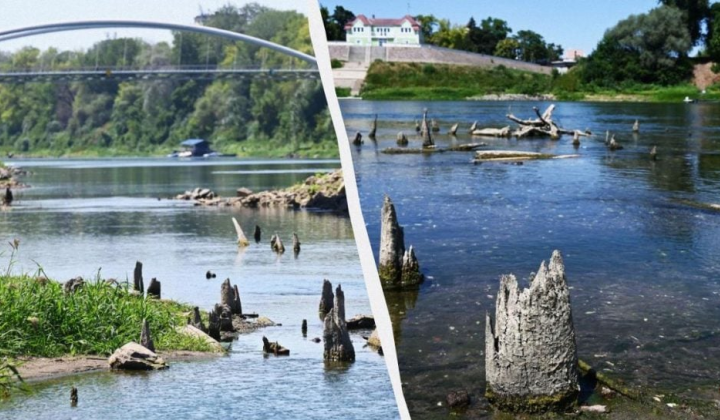
Ancient Bridge Piles Emerge From the Tisza
According to УНІАН — Туризм: Near Szolnok, Hungary, the Tisza River has plunged to an unprecedented minus 302 centimeters because of persistent heat and a lack of rainfall. The dramatic drop has revealed ancient oak piles that once supported several wooden bridges. The oldest of those bridges was erected in 1562, during Ottoman rule, and its remnants are now visible beside the modern span. These timbers are part of a river-crossing history on the Tisza that stretches from the 1500s into the early 1900s.
The riverbed still contains the remains of four wooden bridges from different eras. The first documented bridge was built in 1562, only ten years after Ottoman forces took Szolnok. Their exposure offers a striking reminder of how severe the current drought is, and it is also a window into an older chapter of the region's past.
A Broader Water Crisis
The situation is not limited to the Tisza. With rain scarce across the region, the Danube has also fallen to record lows. Hungary is facing the worst effects: weeks of high temperatures have dropped the Danube to historic minimums in several areas of Serbia and Croatia. Near Prahovo, Serbia, the low water has uncovered remnants of a German military flotilla that was scuttled in 1944 during the retreat.
These exposed shipwrecks and bridge remains are tangible signs of an environmental crisis now affecting Central Europe. Rising temperatures and prolonged drought are putting serious pressure on local wildlife, plant life, and economies that depend on rivers. The record levels on both the Tisza and the Danube highlight the urgency of protecting water resources and adapting to a warmer climate, with consequences that could be felt by people and nature for many years to come.
As the Tisza River reveals its historical secrets, the broader implications of the ongoing drought are becoming increasingly evident. The recent record lows of the Danube further illustrate the environmental challenges facing Central Europe. This situation not only highlights the urgency of addressing water resource management but also underscores the impact on local ecosystems and economies reliant on these vital waterways.

Read also