Council of Europe Lifts Immunity from Ex-Secretary General Jagland over Epstein Links

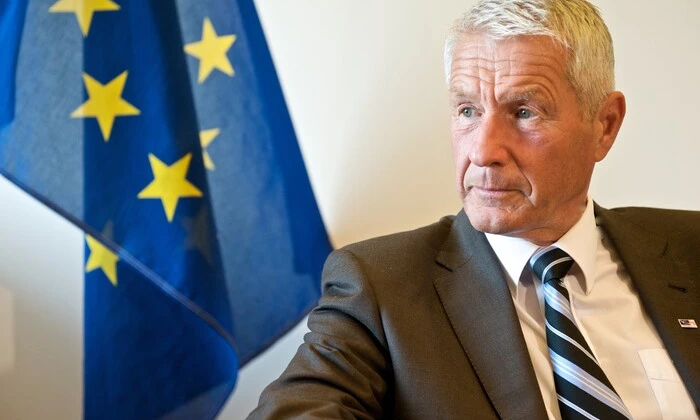
Investigation into Thorbjørn Jagland's Links to Jeffrey Epstein
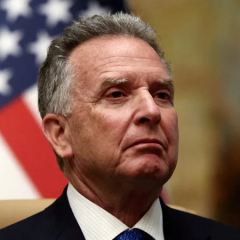
According to Главком: On 11 February 2026, the Committee of Ministers of the Council of Europe approved Norway's request to lift the immunity of former Secretary General Thorbjørn Jagland. This allows for a formal investigation into his connections with the late financier and convicted sex offender Jeffrey Epstein. The decision follows an internal inquiry launched in November 2025 by the Council's current Secretary General, Alain Berset, which was based on documents made public in the United States and examines several specific episodes involving Jagland.
Thorbjørn Jagland, who served as Secretary General from 2009 to 2019, is suspected of having ties to Epstein. Allegations include that Jagland reportedly asked Epstein for a loan to purchase an apartment in Oslo. In 2018, Epstein attempted to use Jagland's connections to arrange a meeting with Russian Foreign Minister Sergey Lavrov. Plans for Jagland's family to visit Epstein's private island, Little St. James, in 2014 were also reportedly discussed.
Findings of the Inquiry
The inquiry, which concluded in January 2026, aims to clarify the details of Jagland's relationship with Epstein. The case has drawn parallels to other European figures linked to Epstein, such as Sweden's Princess Sofia, who commented on her own encounters:
“We met at a restaurant and at a film screening, always surrounded by other people. Fortunately, nothing more happened.” - Princess Sofia of Sweden
The Council of Europe, which handles these matters, is headquartered in Strasbourg.
The Committee of Ministers' ruling underscores increasing scrutiny of ethics and transparency at the highest levels of international governance. This investigation could have significant repercussions not only for Jagland's career but also for the reputation of the Council of Europe, an organization dedicated to upholding human rights and the rule of law. The mention of connections to Russian officials adds a further dimension of geopolitical sensitivity to the case, highlighting the critical need to monitor contacts between politicians and individuals linked to criminal activity.

Read also