7,000-Year-Old Rock Art of Sea Turtles Discovered by Archaeologists in Wadi Al Helou, UAE

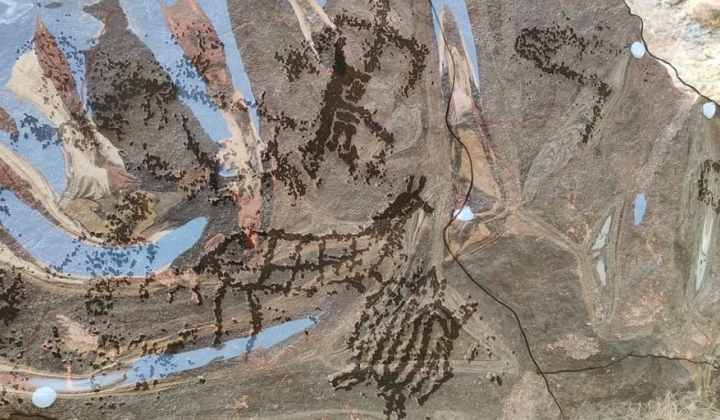
Neolithic Era Artistic Expressions
According to НВ — Техно: In the United Arab Emirates, researchers have uncovered ancient rock carvings depicting some of the largest sea turtles known to science. During the 2026 field season, the Sharjah Archaeology Department identified five petroglyphs of marine turtles in the Wadi Al Helou mountains. These images date back roughly 7,000 years, placing them in the Neolithic period. This find marks the third occurrence of similar rock art on the Oman Peninsula. Experts believe the engravings illustrate leatherback turtles (Dermochelys coriacea) and estimate their creation around 5000 BCE.
Wadi Al Helou’s Archaeological Importance
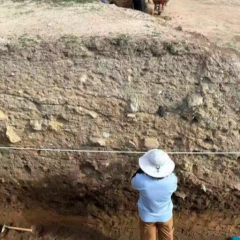
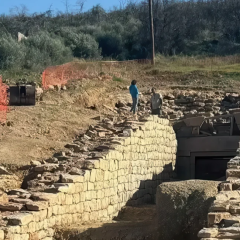
Wadi Al Helou stands out as a site of great archaeological value, not only for its Neolithic art but also for Bronze Age remnants. The valley hosts evidence of ancient workshops, settlement ruins, and a watchtower, indicating its role in the development of early civilizations. During the early Bronze Age, this area was a hub for copper smelting.
- Ancient craft workshops
- Settlement remains
- Defensive watchtower
Its strategic location likely linked the inland territories with coastal regions, highlighting Wadi Al Helou’s significance in the UAE’s historical landscape. Similar rock art motifs, including depictions of wild donkeys and ibex, have been found in the nearby Hajar Mountains, showcasing the rich artistic heritage of the period. Recognizing its cultural value, the UAE has nominated Wadi Al Helou for the UNESCO World Heritage Tentative List.
The discovery of these prehistoric turtle images enriches our understanding of Neolithic artistic traditions on the Oman Peninsula. More importantly, it reaffirms Wadi Al Helou’s status as a vital archaeological site that preserves traces from multiple historical eras. Its inclusion in UNESCO’s tentative list is expected to boost ongoing research efforts and support the preservation of the region’s cultural legacy.
For international audiences, this discovery highlights the UAE’s deep-rooted historical connections and its role as a crossroads for ancient human activity between inland and coastal communities.

Read also