Putin’s Approval Slips to 65.6% as Russia’s Economy Stalls and Corporate Debt Hits $109 Billion

Putin’s Popularity and Russia’s Economic Struggles
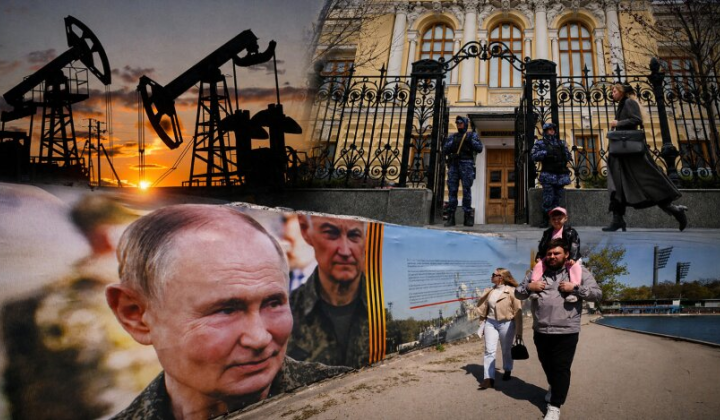
According to ХВИЛЯ: Vladimir Putin’s approval rating has dropped to 65.6%, its lowest level since the war began. That represents a decline of 12.2 percentage points since early 2026, according to data from the Russian Public Opinion Research Center (VTsIOM). His historical high stood at 88%.
Russia’s economy contracted by 1.8% in the first two months of the year. Unpaid commercial bills in January reached $109 billion, pointing to severe financial strain. The number of companies with tax debts has climbed to 439,900. Over the past 11 years, Russia’s GDP has grown by roughly 1.5% annually, while consumer prices surged 77% in the same period.
Social Sentiment and the Ongoing War
The Central Bank of Russia has cut its key interest rate to 14.5%, likely an attempt to stabilize the economy. Additionally, Russia’s oil output has been reduced by 300,000 to 400,000 barrels per day, probably due to drone strikes.
Experts point to rising public discontent. Gennady Zyuganov warned that
“economic collapse is inevitable,”
comparing the situation to the events of 1917. Tatyana Stanovaya highlighted strong dissatisfaction among the population over the protracted war and financial difficulties, noting that 'people are beginning to speak more boldly.'
The war is now in its fifth year, and officials are growing concerned about its length. One Russian official, speaking on condition of anonymity, said:
“The general mood is: enough already, you’ve been fighting too long.”
Meanwhile, Mikhail Khodorkovsky remarked that 'winning or losing three villages doesn’t help much.'
These factors indicate that Russia faces serious challenges in both its economy and society. Stanovaya added: 'People like me are very anxious, because we were born in a country we couldn’t leave.' The situation raises concerns about the country’s future and the well-being of its citizens.
Putin’s declining approval rating and the country’s financial troubles point to growing public dissatisfaction. Amid a prolonged war and economic instability, citizens are increasingly voicing their discontent, which could reshape Russia’s political landscape. With ratings sliding and the economy under pressure, the government confronts new challenges that may act as a catalyst for societal change.
In light of the recent decline in President Putin's approval rating, it is important to consider the broader implications of governmental decisions on public sentiment. For instance, the Kremlin's recent decision to pause the Telegram ban following Dmitry Peskov's comments may reflect an attempt to mitigate unrest among the population. This situation bears resemblance to another significant drop in approval ratings observed earlier this year. To explore how these developments are interconnected, read more about the recent changes in public perception and government actions here.

Read also