Russian Army Recruitment Hits Three-Year Low in Early 2026

Recruitment Trends in the Russian Military for 2026
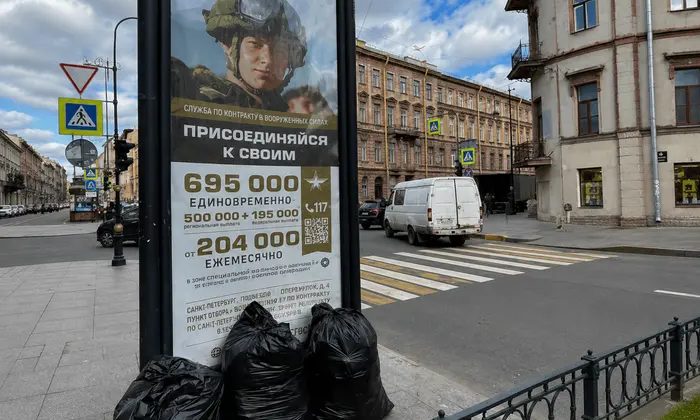
According to Главком: Data from Russia’s Ministry of Finance and regional budgets reveals a sharp drop in army recruitment during the first quarter of 2026. Only 71,216 contracts were signed in that period, marking the lowest figure in three years. At the same time, estimated monthly combat fatalities stand at around 9,000, raising concerns among analysts. Janis Kluge, a German economist and researcher at the Berlin-based Science and Politics Foundation, points to two possible explanations: a genuine recruitment shortage or a temporary reduction in enlistment pressure.
According to Russian Finance Ministry figures, the military signed 71,216 new contracts in Q1 2026-down from 73,366 in the same period of 2024 and 89,601 in Q1 2025. During January through March 2026, the army averaged roughly 800 contracts per day. Regional budget payout data suggests approximately 9,000 soldiers are killed each month, extrapolating to about 300 deaths daily. In January 2026, recruitment levels fell below fatality rates for the first time since 2022.
Funding and Recruitment Continuation
The federal government spent 28.5 billion rubles on signing bonuses for new recruits in Q1 2026, with each contract bonus set at 400,000 rubles. Information from 17 Russian regions indicates payouts for roughly 10,000 fatalities since the start of 2026. Janis Kluge cautions that
“this estimate has a large margin of error because the regional sample is small, and payment delays make precise calculations difficult.”
In the second quarter of 2026, the recruitment pace recovered to about 1,000 contracts per day. However, a notable discrepancy persists between official statements-claiming 127,000 new contracts signed since the beginning of the year-and budget payout data, which points to around 100,000 contracts. This gap amounts to roughly 10%. Analysts continue to closely monitor recruitment and casualty trends within the Russian military, assessing their potential implications.
The decline in enlistment numbers combined with high casualty rates suggests possible difficulties in attracting new personnel, which could affect Russia’s overall military readiness. Observers are now watching to see whether the army can regain its previous recruitment momentum or will continue to face challenges. These developments may carry significant consequences for domestic policy and social stability in Russia.
The decline in recruitment numbers is concerning, especially when juxtaposed with rising casualty estimates. Recent UK intelligence suggests that Russian military losses may be nearing 500,000, highlighting the severe toll of ongoing conflicts. For a more in-depth analysis of these staggering figures and their implications, visit the latest intelligence estimates on Russian military casualties.

Read also