Why Trump's Plan to Withdraw Troops from Germany Faces Republican Backlash in Congress

Republican Leaders Push Back Against Trump's Initiative
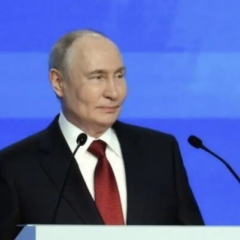
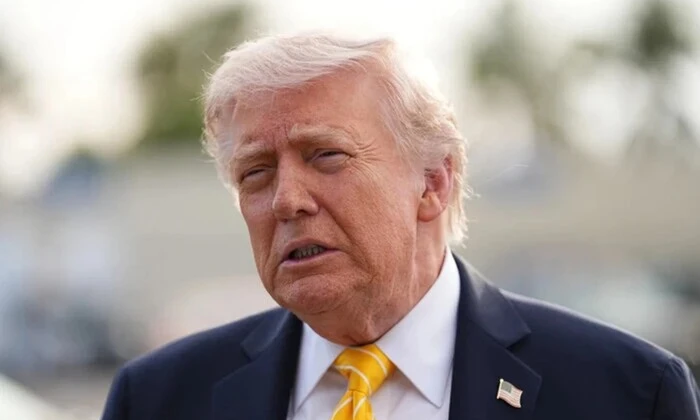
According to Главком: Top Republican lawmakers in the U.S. Congress have sharply criticized President Donald Trump's proposal to reduce the American military footprint in Germany. Senate Armed Services Committee Chairman Roger Wicker and House Armed Services Committee Chairman Mike Rogers voiced concerns that such a drawdown could weaken deterrence against Russian aggression in Europe. The legislators stressed that prematurely scaling back America's forward presence risks sending the wrong message to Vladimir Putin.
U.S. Plans and the Republican Position
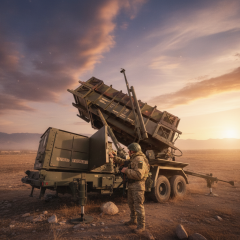
The United States intends to withdraw approximately 5,000 troops from Germany, a process expected to take between six and 12 months. Instead of pulling forces out entirely, Wicker and Rogers proposed relocating those 5,000 American service members to NATO's eastern flank. Germany remains a critical hub for U.S. operations in Europe, hosting tens of thousands of American personnel.
Pentagon spokesman Sean Parnell underscored the importance of maintaining a military presence in the region, emphasizing that any shifts in military strategy require a careful approach.
Against the backdrop of rising threats from Russia, the Republican stance highlights the need to preserve stability in Europe by sustaining the U.S. military presence.
This situation underscores the growing friction between the Trump administration and Republican lawmakers, who advocate for a more active U.S. role in ensuring European security. With Russian aggression on the rise, the question of American troop deployments in the region has become increasingly urgent, as any shift could significantly alter Europe's balance of power. Republicans warn that reducing the military contingent could have negative repercussions for NATO security and America's European allies.
As the debate intensifies, it's important to consider the broader implications of the proposed troop reductions. Many Republican leaders view this move as a critical misstep that could undermine U.S. strategic interests in Europe. Their concerns highlight a growing divide within the party regarding military engagement and national security priorities.

Read also