Dimming the lights in the airplane before takeoff is an important safety measure

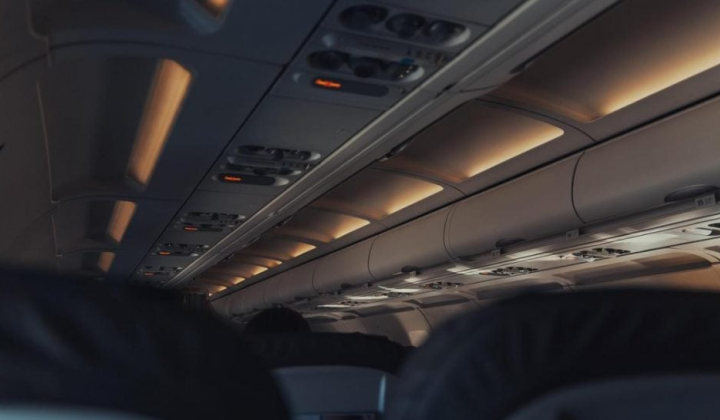
Dimming the lights in the airplane: safety before takeoff and landing
According to УНІАН — Туризм: Airlines dim the lights in the cabin before takeoff and landing, aimed at ensuring passenger safety. This procedure allows passengers' eyes to adapt to the darkness, which, in turn, helps them to evacuate more quickly in case of an emergency. Dimming the lights is a standard procedure during the critical phases of flight, such as takeoff and landing, as statistically most incidents occur during these phases.
Purpose and importance of the procedure
The purpose of this procedure is to ensure safety, not for aesthetic considerations. The time required for the eyes to adapt to new lighting conditions can range from a few seconds to a few minutes depending on the contrast. Dimming the lights allows passengers to better see the external environment, emergency signs, and evacuation routes. Most airlines implement this procedure regardless of the time of day.
“These are the most critical stages of the flight, and if evacuation becomes necessary, your eyes should already be adapted to the external lighting conditions, especially if it is dark outside.” - Anubha Jaiswal, flight attendant
She also added: “When the lights are dimmed, your eyes adapt faster, allowing you to clearly see the emergency exit signs, evacuation paths, and instructions.” This important safety measure ensures a quicker and safer response in case of an emergency.
Thus, dimming the lights in the airplane before takeoff and landing is an important practice aimed at enhancing passenger safety.
This procedure underscores the importance of safety in the aviation industry, where every element, from lighting to evacuation instructions, matters in critical situations. Considering incident statistics, airlines continue to improve their safety protocols to ensure that passengers can quickly and safely respond to potential threats during the flight.
While ensuring passenger safety during takeoff and landing is paramount, it's also essential to be aware of other health risks that can arise during flights. Recent studies indicate that cardiac events are becoming the leading cause of in-flight fatalities, highlighting the need for comprehensive safety measures on board. Understanding these risks can further enhance passenger preparedness and safety awareness during air travel.

Read also