Ukraine's Security Council Approves Winter Resilience Plans for All Regions, Grants Kyiv Extension


National Security and Defense Council Meeting
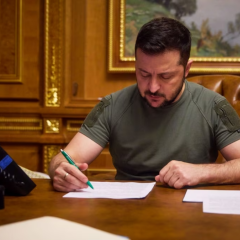
According to Главком: Ukrainian President Volodymyr Zelenskyy chaired a meeting of the National Security and Defense Council (NSDC) to discuss regional preparations for the upcoming autumn-winter season. The meeting resulted in the approval of resilience plans for all Ukrainian regions and their administrative centers, with the exception of Kyiv, which was granted additional time to finalize its documentation.
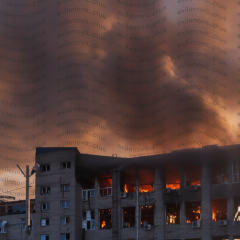
Zelenskyy noted that reports were presented by representatives from all regions and major cities during the session. He stressed the critical importance of applying lessons learned from the previous winter's challenges. The President emphasized the need to upgrade protections for infrastructure, logistics, and key energy facilities, as well as to repair sites damaged by Russian attacks. Ensuring additional energy generation capacity was also highlighted as a priority.
'The NSDC has approved resilience plans for all Ukrainian regions and regional cities, except for Kyiv, which was given extra time to prepare the relevant substantive documents. As of today, Kyiv was not ready-just as it was not for this winter. We must prepare and complete every task before the next one. Every city, every Ukrainian community must be ready for any scenario next winter and for providing real support to people,' stated Volodymyr Zelenskyy.
Preparing for Winter Challenges
Consequently, the NSDC meeting represents a significant step in ensuring regional readiness for the winter challenges facing the country. The importance of preparing for the autumn-winter period is heightened by the ongoing war and persistent threats to the energy grid. These approved resilience plans are designed to help regions avoid potential disruptions during the cold months and ensure the reliable operation of critical infrastructure.
As the nation's capital, Kyiv holds particular significance, and its preparedness remains a state priority. This planning is crucial for a nation whose civilian infrastructure has been a repeated target during the conflict.

Read also