Russia Targets Kyiv and Kharkiv’s Energy Systems, Threatening Widespread Power and Water Outages

Ukraine’s Energy Infrastructure Under Siege
According to ХВИЛЯ: Russian missile and drone strikes have been repeatedly hitting power plants in Kyiv and Kharkiv, causing scheduled blackouts and water supply disruptions. Ukrainian intelligence intercepted a Russian document outlining a deliberate plan to worsen living conditions in major Ukrainian cities by targeting their energy infrastructure. Known as the 'Analysis of Ukraine’s Energy, Housing, and Utilities Sectors,' the document reveals potential targets aimed at cutting off electricity and water supplies.
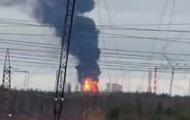
In the early hours of Tuesday, Russian attacks struck key facilities including CHPP-4, CHPP-5, the Trypilska thermal power station, and a critical substation that transmits electricity from two main nuclear power plants to Kyiv. These sites form part of Kyiv’s energy ring; if disabled, they could trigger a humanitarian crisis in the capital. According to the intercepted plan, if the strikes succeed, Kyiv risks losing over 90% of its power capacity this winter. Worst-case scenarios predict outages lasting up to 20 hours daily, while milder winters and rapid repairs might limit blackouts to about 8 hours per day.
The intelligence document details the types and quantities of weapons required to destroy these targets, including ballistic missiles, hypersonic and cruise missiles, as well as Geran-4 and Geran-5 jet drones. Currently, three major power stations in Kyiv have ceased electricity production, leaving the city dependent on power imports from other regions. Additionally, stocks of American PAC-3 missiles are running low, complicating Ukraine's defense efforts.
Dmytro Shmyhal stated, 'Two comprehensive documents have been uncovered, coldly detailed with tables specifying how many weapons-from ballistic missiles to conventional drones-are needed to eliminate each target. We fully understand their operational tactics.'
Economic Pravda reported that several European officials believe the document was prepared by Russian military or intelligence analytical units. Ukraine’s Ministry of Energy confirmed the paper contains information that could facilitate attacks on infrastructure but declined to comment on whether recent strikes align with the plan or which agency authored it.
In response, President Volodymyr Zelensky criticized local authorities for poor winter preparedness and insufficient protection of energy facilities. Planned protests over heating and power outages this Saturday reflect growing public frustration amid ongoing infrastructure attacks. Political analyst Volodymyr Fesenko noted, 'Last year, we were truly on the edge. This year, the risk is even greater, making this plan credible. There’s a very high likelihood Russia will attempt to break us this winter.'
Implications and Outlook
This unfolding crisis highlights the vital importance of Ukraine’s energy infrastructure during wartime and exposes Russia’s strategy to destabilize civilian life through targeted assaults. Interruptions to electricity and water services could have severe humanitarian consequences, especially during the harsh winter months. Ukrainian society faces mounting challenges, and the government’s ability to respond effectively will be crucial for maintaining stability and safeguarding the population.
For international observers, this situation underscores the broader risks energy infrastructure faces in conflict zones and the potential for such attacks to exacerbate humanitarian crises.
The ongoing assault on Ukraine's energy infrastructure has raised concerns about the potential for even more extensive damage. Recent reports indicate that as many as 1,000 rocket strikes may be planned by Russia, aiming to further cripple the power and heating systems in key cities like Kyiv, Kharkiv, and Odesa. This escalation could exacerbate the already dire situation for residents facing blackouts and water shortages this winter.

Read also