Russian Strikes Target Kyiv and Zaporizhzhia, Prompting Explosions in Belgorod and Rostov

Ukraine Under Attack and Russia's Response
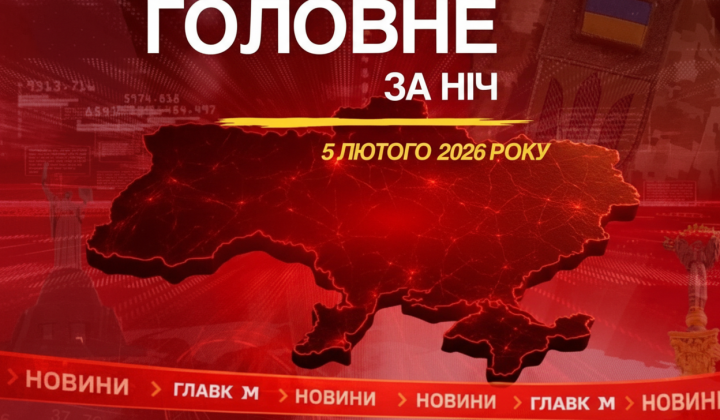
According to Главком: In the early hours of February 5, Russia launched a combined assault on Ukraine using drones and missiles. Kyiv was a primary target, where the head of the city's military administration, Timur Tkachenko, confirmed that cars were ablaze in a parking lot in the Obolonskyi district. In the Solomianskyi district of the capital, one person was wounded by the shelling.
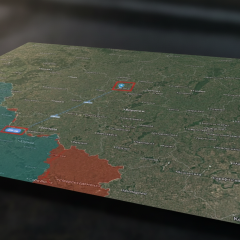
Simultaneously, the Russian cities of Belgorod and Rostov-on-Don came under attack from missiles and drones. HIMARS systems are suspected to have been used in the strike on Belgorod. Explosions were reported not only there but also in Rostov-on-Don, Taganrog, Bataysk, and Azov. Furthermore, on February 4 and into the night of February 5, Russian forces attacked the city of Zaporizhzhia and its surrounding region. Ivan Fedorov, head of the Zaporizhzhia Regional Military Administration, reported the use of ballistic missiles and attack drones. These strikes caused fires and cut off power to more than 53,000 consumers.
International Reactions to the Conflict
Amid the military developments, U.S. President Donald Trump issued a statement directed at Iran's Supreme Leader Ayatollah Ali Khamenei ahead of nuclear talks, which were initially planned for Turkey but will now take place in Oman on Friday. Trump also hinted at a potential softening of immigration policy following a shooting in Minneapolis, stating, "these are criminals, we're dealing with really hardened criminals." The U.S. Department of Homeland Security was ordered to withdraw 700 personnel from Minnesota.
The ongoing war in Ukraine continues to raise significant alarm both regionally and internationally. These reciprocal attacks mark a dangerous escalation, with potential ramifications for European and global security. The statements from international leaders, including the U.S., underscore how this regional crisis is increasingly shaping broader global policy, which will likely influence the trajectory of events both within and beyond the conflict zone.

Read also