Drone Strikes Hit Ukrainian Cities of Kropyvnytskyi and Zaporizhzhia: Casualties and Damage Reported


Strikes Target Kropyvnytskyi and Zaporizhzhia
According to Главком: Russian forces launched drone attacks against the Ukrainian cities of Kropyvnytskyi and Zaporizhzhia during the night of February 6, 2026. The first explosions in Kropyvnytskyi, located in the Kirovohrad region, began around 04:33. An air raid alert from the Ukrainian Air Force was issued approximately at 4:00. As of 5:30 AM on February 6, air defense operations were still ongoing in the region to neutralize aerial threats. An assault on Zaporizhzhia was also carried out that same night.
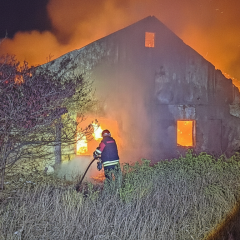
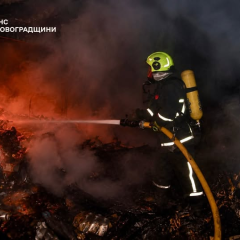
These attacks are part of a broader pattern of Russian strikes targeting Ukrainian urban centers and energy infrastructure. In Zaporizhzhia, a teenager was wounded after a drone struck a residential area. The attack also caused power outages for approximately 12,000 subscribers in the Zaporizhzhia region. This incident continues a series of assaults on the city, following previous attacks on January 22 and January 26.
Recent Attacks on Zaporizhzhia
On January 26, Russian troops struck Zaporizhzhia and its surrounding region. The attack in Vilniansk sparked a fire that damaged several multi-story buildings. Preliminary reports indicated no casualties from that specific strike. Another attack occurred on the night of January 22, when a strike hit a parking lot near a shopping center in Zaporizhzhia and damaged houses in a residential neighborhood. One person was injured as a result of that assault.
These events underscore the persistent threat posed by Russian military forces to Ukrainian territory, particularly for the residents of Kropyvnytskyi and Zaporizhzhia. The situation in these regions remains tense, with local authorities working to manage the aftermath of the attacks.
The recent strikes demonstrate that Russian forces continue to actively employ drones to target civilian infrastructure and populations. The increasing frequency of such attacks indicates these regions remain under serious threat, compelling local authorities to constantly adapt their strategies to ensure public safety. The situation requires vigilant monitoring and a coordinated response from relevant services.

Read also