A New European Front: Why a Russian Military Threat Is Now a Concrete Danger

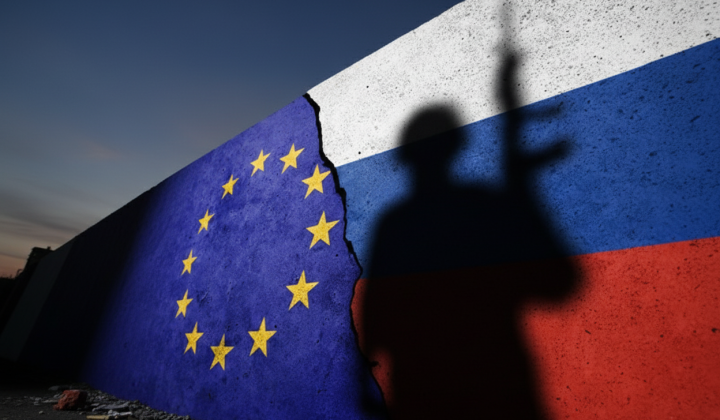
Analysis of the European Situation
According to Главком: Current conditions suggest Russia may view opening a new European theater of war as a strategically advantageous move. The article's author points to a favorable environment for such expansion, citing divisions within NATO as a key factor. With the United States heavily committed to the situation with Iran and Europe's defense industry and armed forces still undergoing a protracted rebuild, Russia sees a window of opportunity to escalate its military activities. This analysis comes amid heightened regional tensions following Russia's full-scale invasion of Ukraine in 2022.
The author's assessment highlights Russia's logistical modernization, the establishment of supply depots, and the construction of field hospitals as indicators of preparation for potential conflict. Concurrently, Russia has been observed disrupting Telegram and mobile internet services, which could signal preparations for an escalation. Military experts referenced by the author emphasize that Europe's combined military power still significantly exceeds Russia's by several times.
Primary Threats and Risks
The author identifies Poland, rather than the Baltic states or the Suwalki Gap, as the most likely primary target for a potential strike. Success in such a European operation, he argues, could lead to a halt in weapons and financial aid to Ukraine. Over the past six months, the threat level to Europe has been marked in the 'red sector' and is now transitioning into a 'crimson sector.' These factors indicate that the European security situation remains tense and demands vigilant attention from allied governments.
The potential for Russian military escalation in Europe is causing serious concern among NATO members and the international community. With regional security potentially at risk, it is crucial for allies to coordinate their actions and strengthen their collective defense capabilities. The situation requires careful monitoring and proactive measures by international organizations to prevent potential conflicts from erupting.
As the situation evolves, it's crucial to consider the broader implications of Russia's military ambitions. While current assessments suggest no immediate threat to NATO, the timeline for Russia's military recovery could span a decade, indicating that vigilance and strategic planning are essential for European security in the long term.

Read also