Russia prepares a new strategy after income growth: what it means for the war

Economic Changes in Russia During the War
According to ХВИЛЯ: In the context of the war, Russia is demonstrating certain economic changes, particularly in the cities of Pokrovsk and Kupyansk, which the Kremlin has controlled since August. The growth of real incomes for Russians, which began at the end of 2022, continued into the years 2023-2025. According to data, 65-75% of the country's population is affected by this positive trend, which may influence the strategic decisions of the authorities in the military sphere.
However, at the same time, Russia is facing serious economic challenges. Six regions of the North Caucasus account for 90% of wholesale debts in the system, amounting to 63.8 billion rubles or over 800 million dollars. These debts may impact the financial stability of the country and its ability to finance military projects.
Trends and Infrastructure Projects
Two main trends observed in Russia can be identified as tactical and strategic. The tactical trend may include short-term solutions to improve the economic situation, while the strategic one involves long-term planning. For example, if the 'Kyiv in three days' scenario were realized, it could compensate for Russia's war costs.
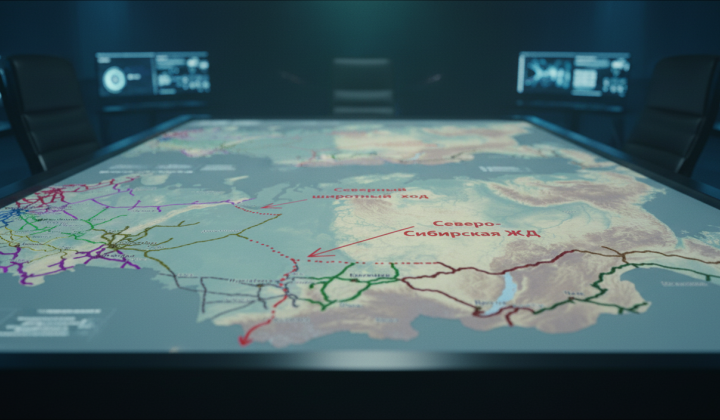
Among the key infrastructure projects with significant financial investments, the following stand out:
- North Latitude Route
- North Siberian Railway
However, the completion date for the 'North Latitude Route' has been postponed to 2029, and the cost of the 'North Siberian Railway' is estimated at 50 trillion rubles. This indicates that Russia needs external investments and seeks to return to the European market, especially in the context of the European Union planning to abandon Russian gas by 2028.
Thus, the current economic situation and strategic plans of Russia suggest that the country is trying to adapt to new conditions, which may significantly influence the course of the war and its future prospects. The growth in population income may provide support for domestic policy, but the debt situation in the North Caucasus and the need for external investments may limit the Kremlin's long-term capabilities. This creates instability, which, in turn, may influence Russia's military strategies and decisions amid the ongoing conflict.

Read also